EV Charging Cables
How to choose an EV charging cable
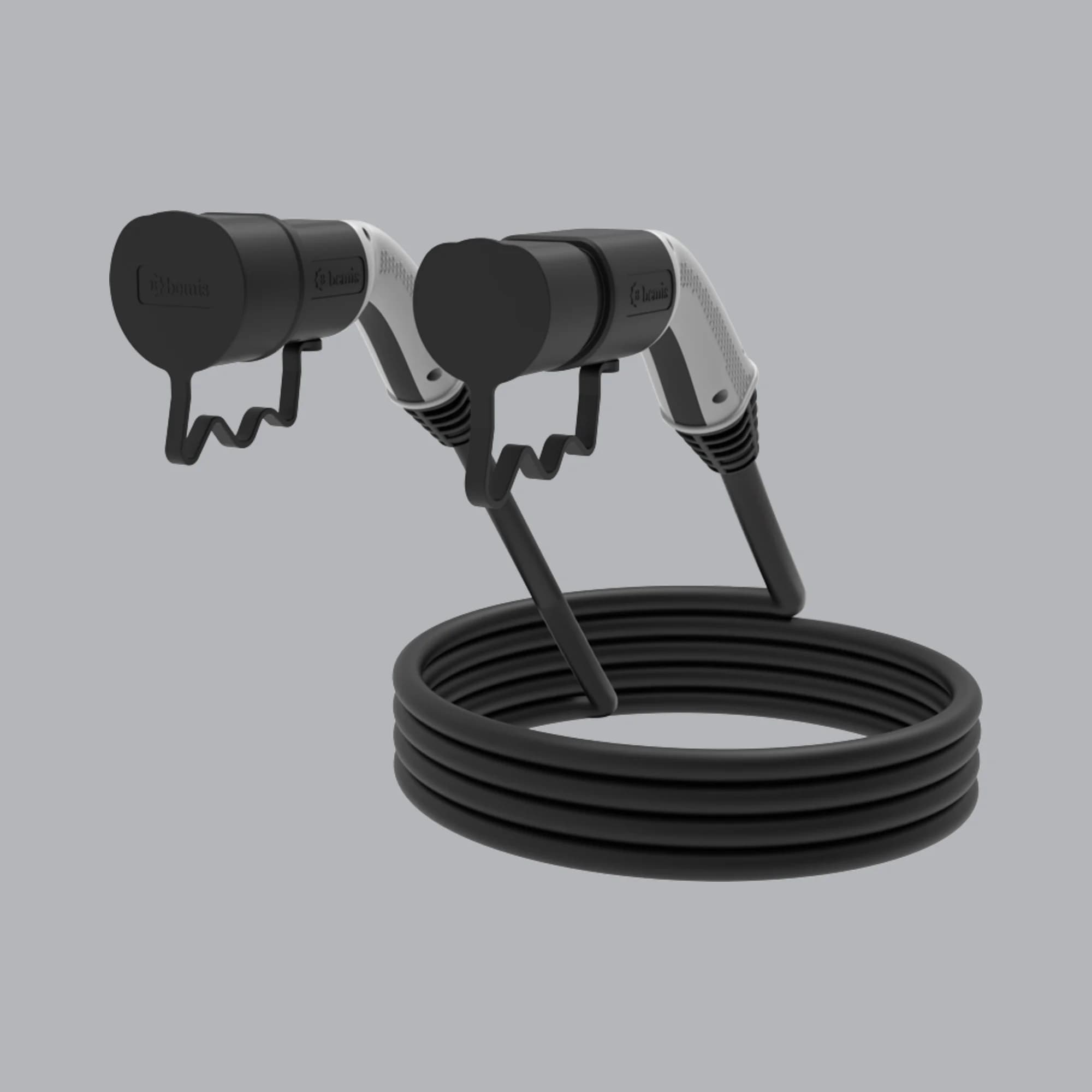
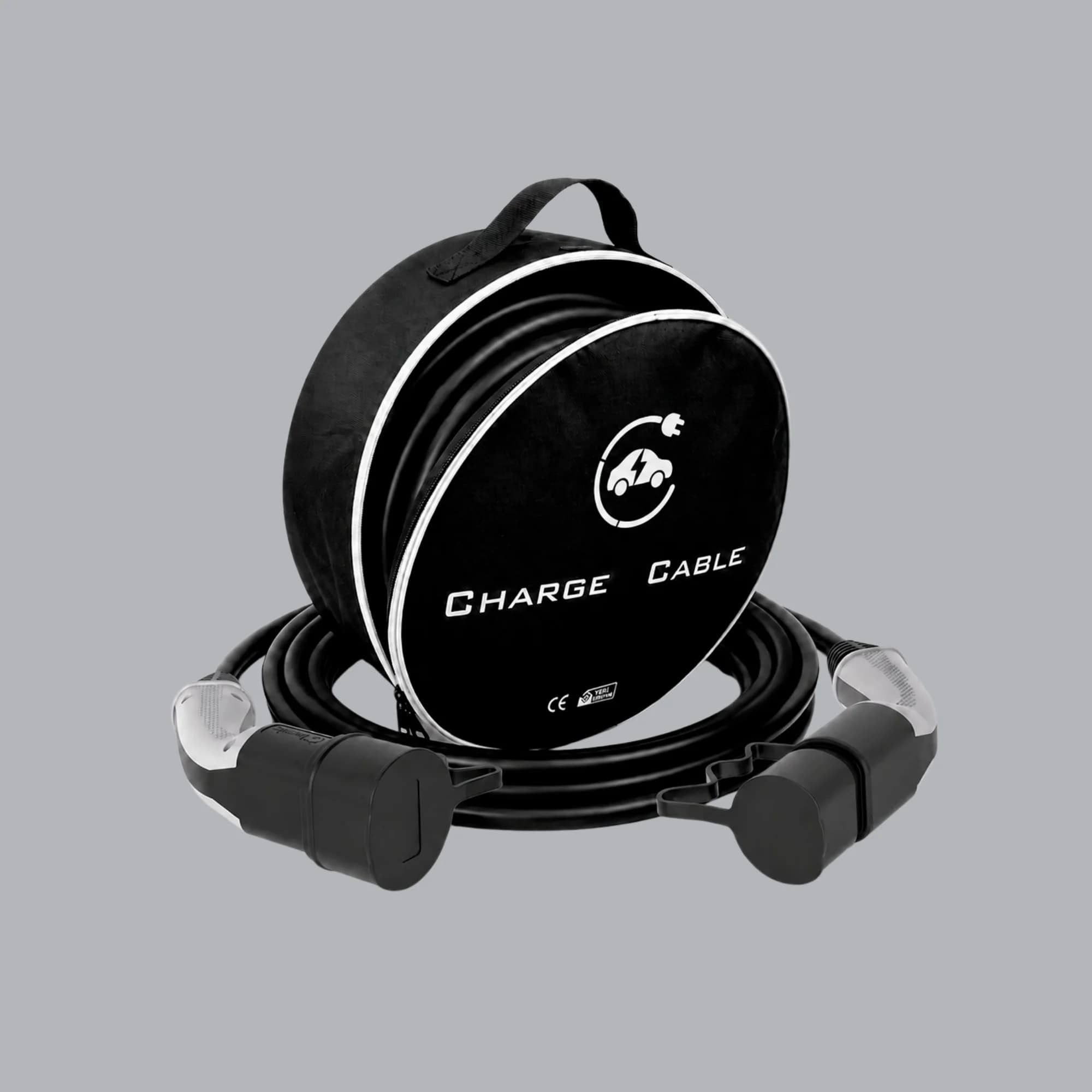
A Type 2 to Type 2 EV charging cable (Mode 3) is needed at untethered public AC chargers and socketed wallboxes. Chosen with the right power and length, it becomes the most used item in your boot.
- Power: the cable must match or exceed your car's AC charging power. A 22 kW (three-phase 32 A) cable gives full speed on every car and charger; for cars that charge on a single phase, a 7.4 kW cable is lighter and cheaper.
- Length: 3–5 m is usually enough at home, 5–7 m at public chargers. Longer cables are heavier and take more space.
- Mode 3 vs Mode 2: a Mode 3 cable has Type 2 at both ends and connects to a charging station. A cable with a control box that plugs into a socket is a portable charger (Mode 2).
At DC fast chargers the cable is attached to the station; these cables are for AC charging only.
Togg uses a Type 2 AC socket; a Type 2 to Type 2 Mode 3 cable lets you charge at public AC chargers and socketed wallboxes. An 11 kW or 22 kW three-phase cable gives the Togg its full AC speed.
A charging cable (Mode 3) is used only with a charging station. A portable charger (Mode 2) plugs straight into a socket and its control box manages charging – no station needed.
Yes. Charging power is then limited to what the charger and the car allow.