Residual Current Devices (RCCB)
How to choose a residual current device
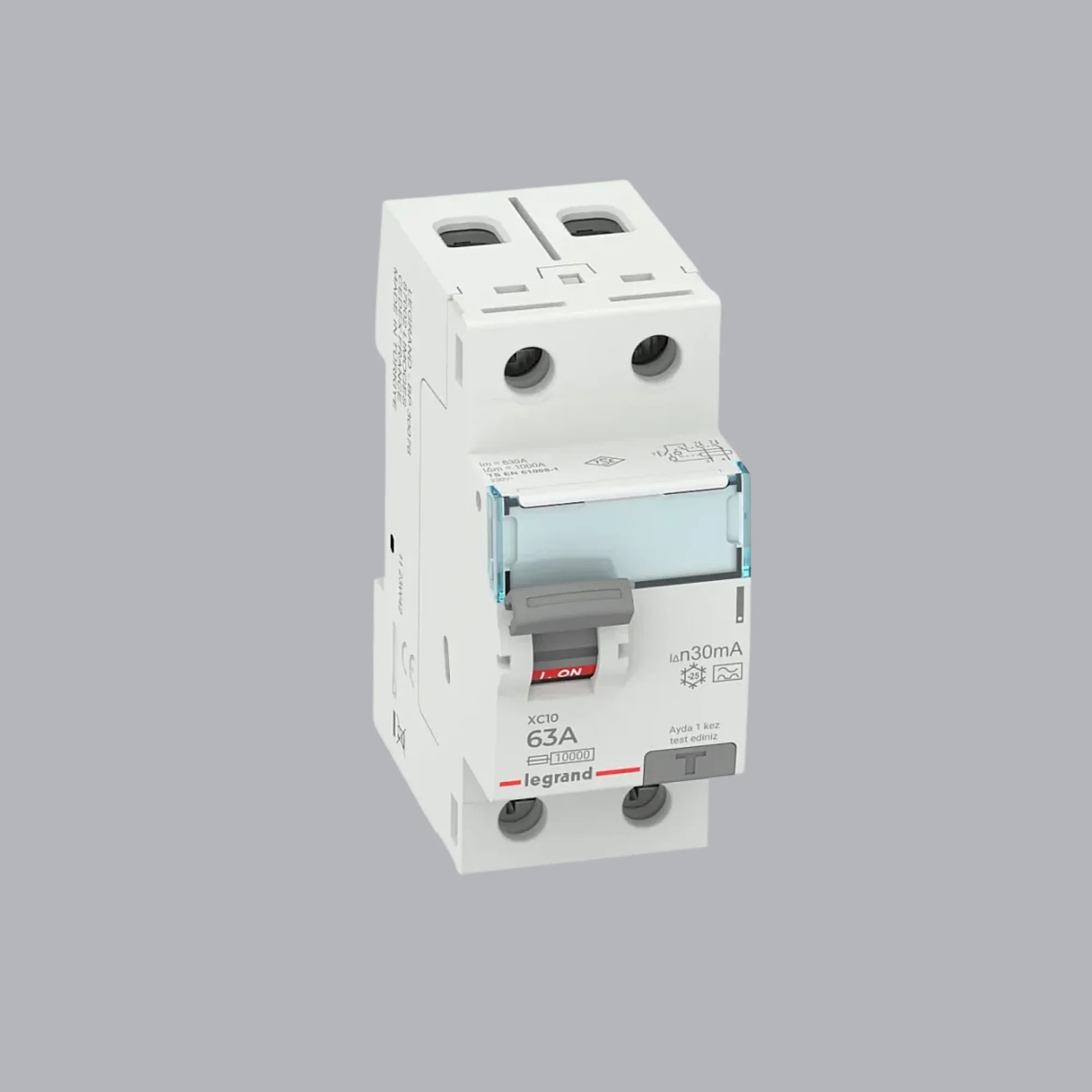
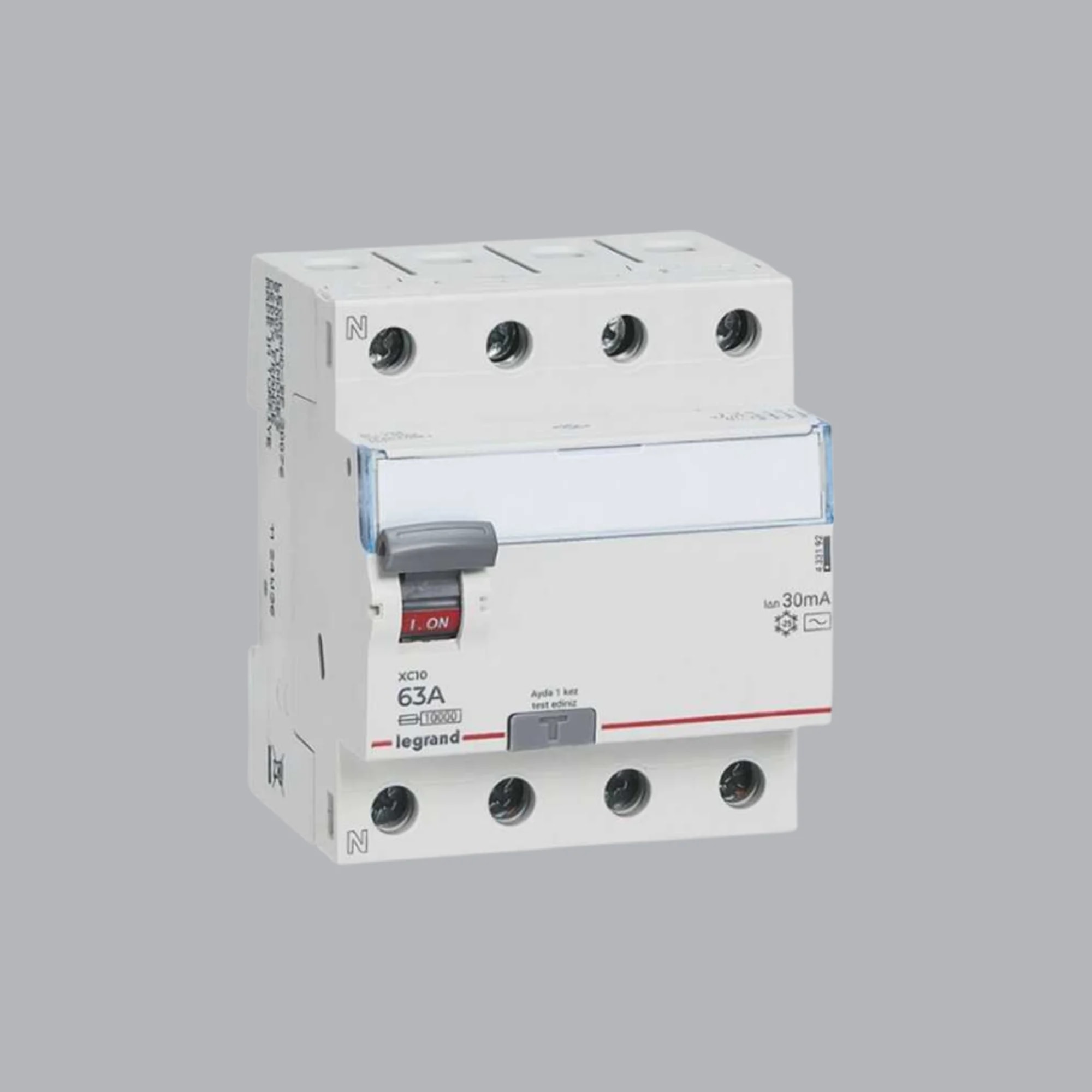
A residual current device (RCCB) monitors the difference between outgoing and returning current; when it exceeds the set value, it disconnects the circuit and protects against electric shock and fires caused by leakage. It does not protect against short circuit or overload and is used together with a circuit breaker.
- Sensitivity: 30 mA for personal protection, 300 mA for fire protection.
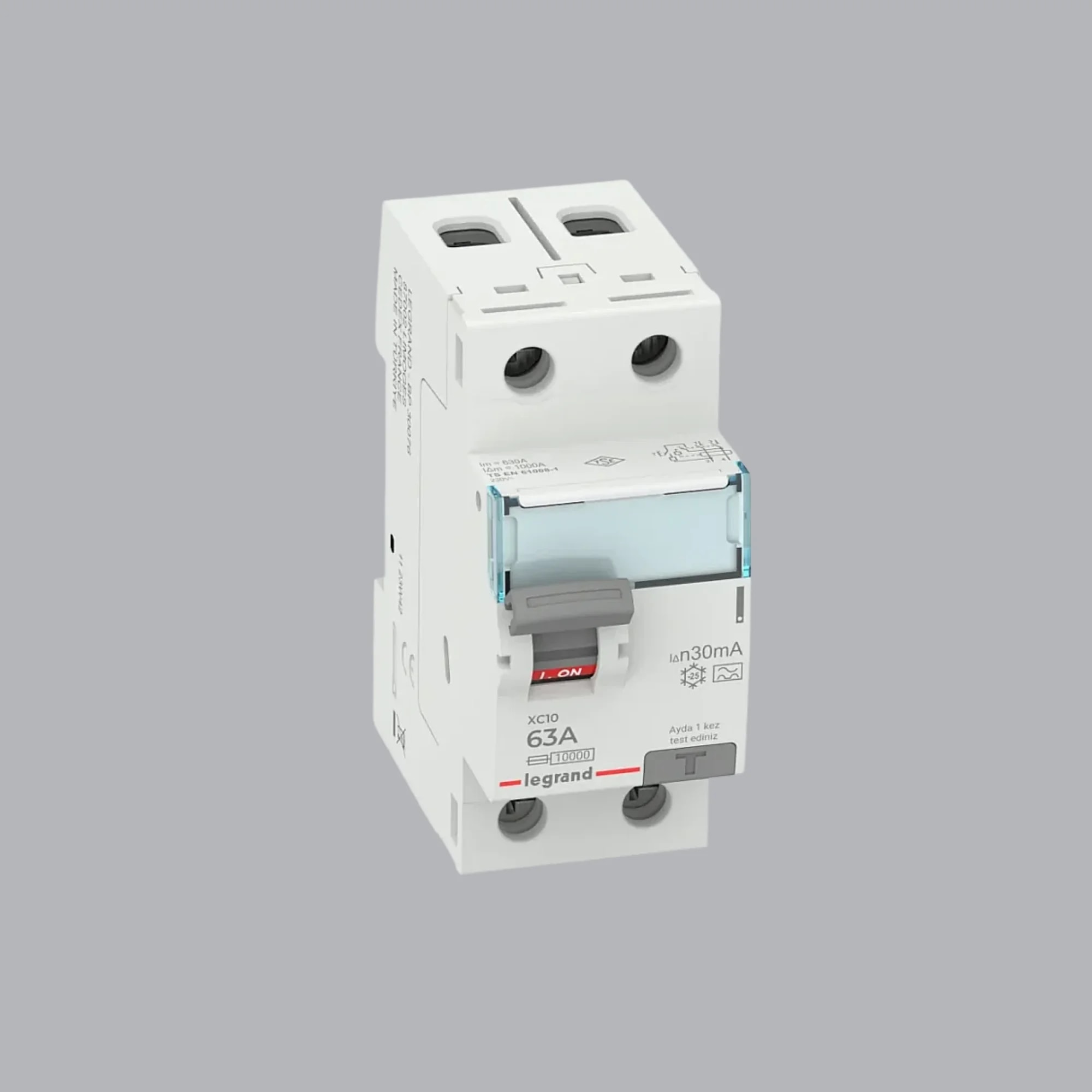
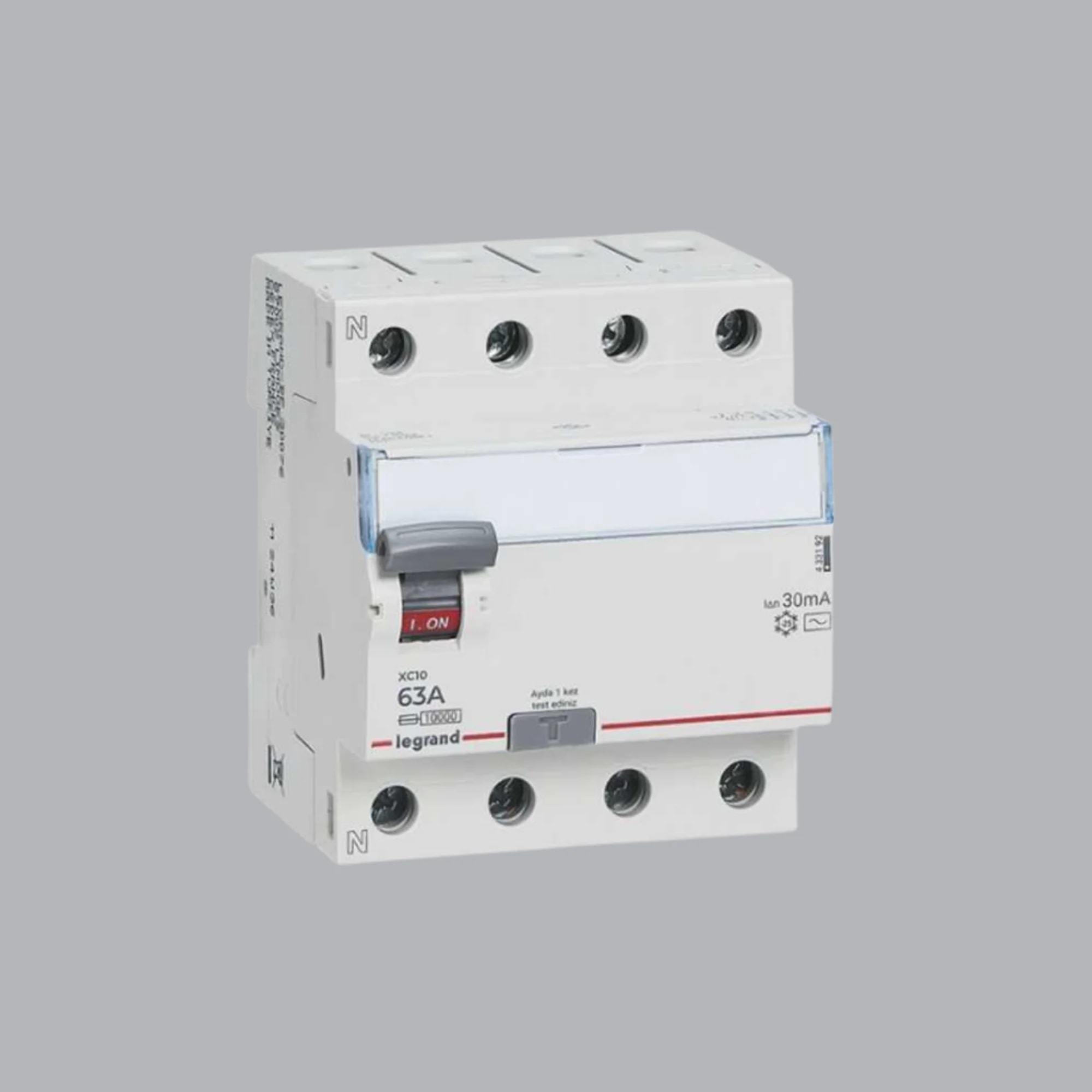
- Poles: 2-pole (230 V) for single-phase, 4-pole (400 V) for three-phase installations.
- Rating: 25, 40 or 63 A; not lower than the circuit breaker upstream.
- Type: type AC for general use; type A for EV charging, inverter air conditioners, washing machines and other electronic equipment. Local rules may require type A.
We use 40 A type A RCCBs in our EV charger installations. Our guides explain the RCD types and which one a charger circuit needs.
30 mA for personal protection. A 300 mA device is for fire protection and does not on its own protect people.
Type AC detects only sinusoidal alternating residual currents. Type A also detects pulsating DC residual currents from electronic equipment and is therefore preferred for EV chargers, inverter air conditioners and washing machines.
No, a 2-pole device is used in single-phase installations. 4-pole devices are for three-phase installations and equipment.
Press the test (T) button once a month; the device should trip. If it does not, replace it.