Stair Lights





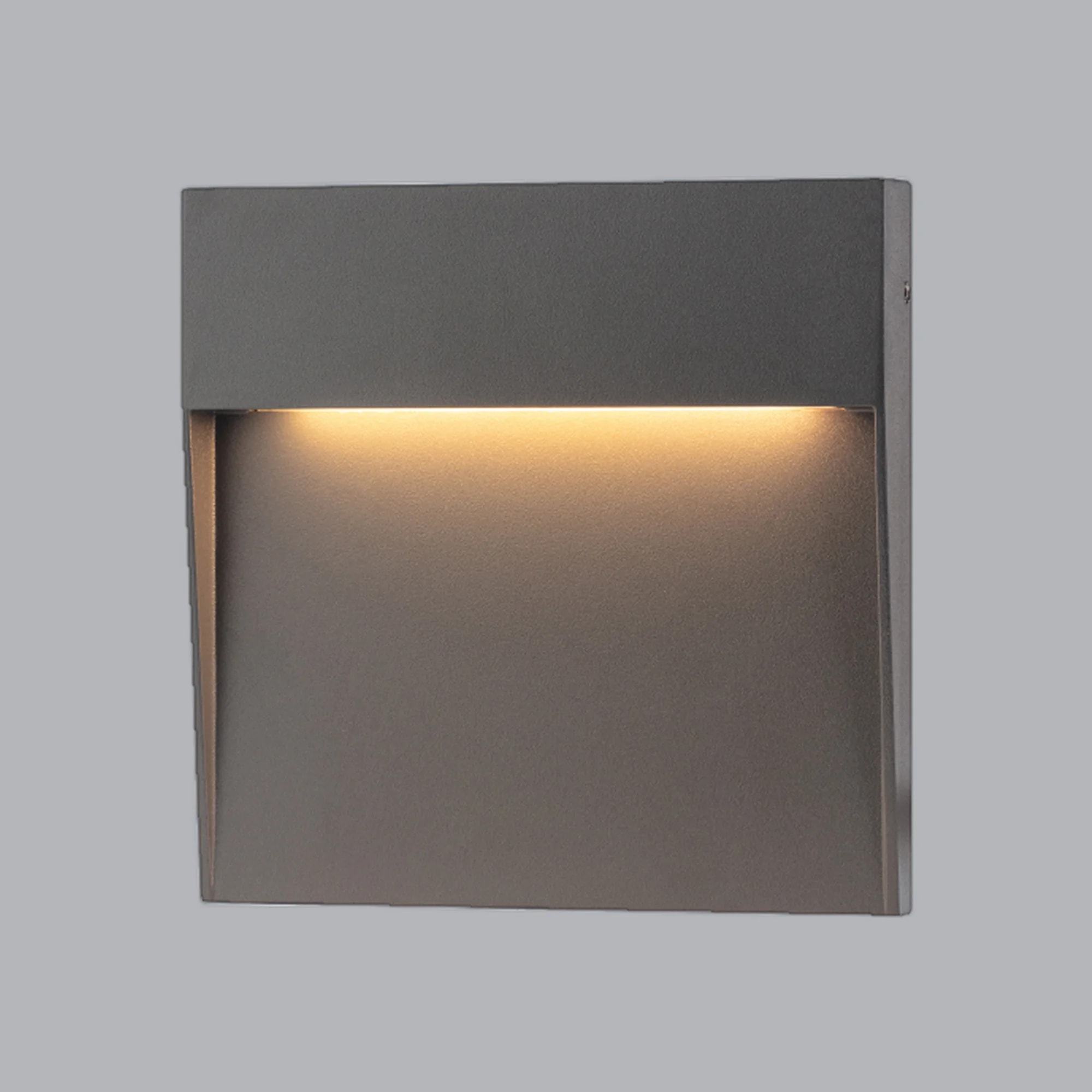
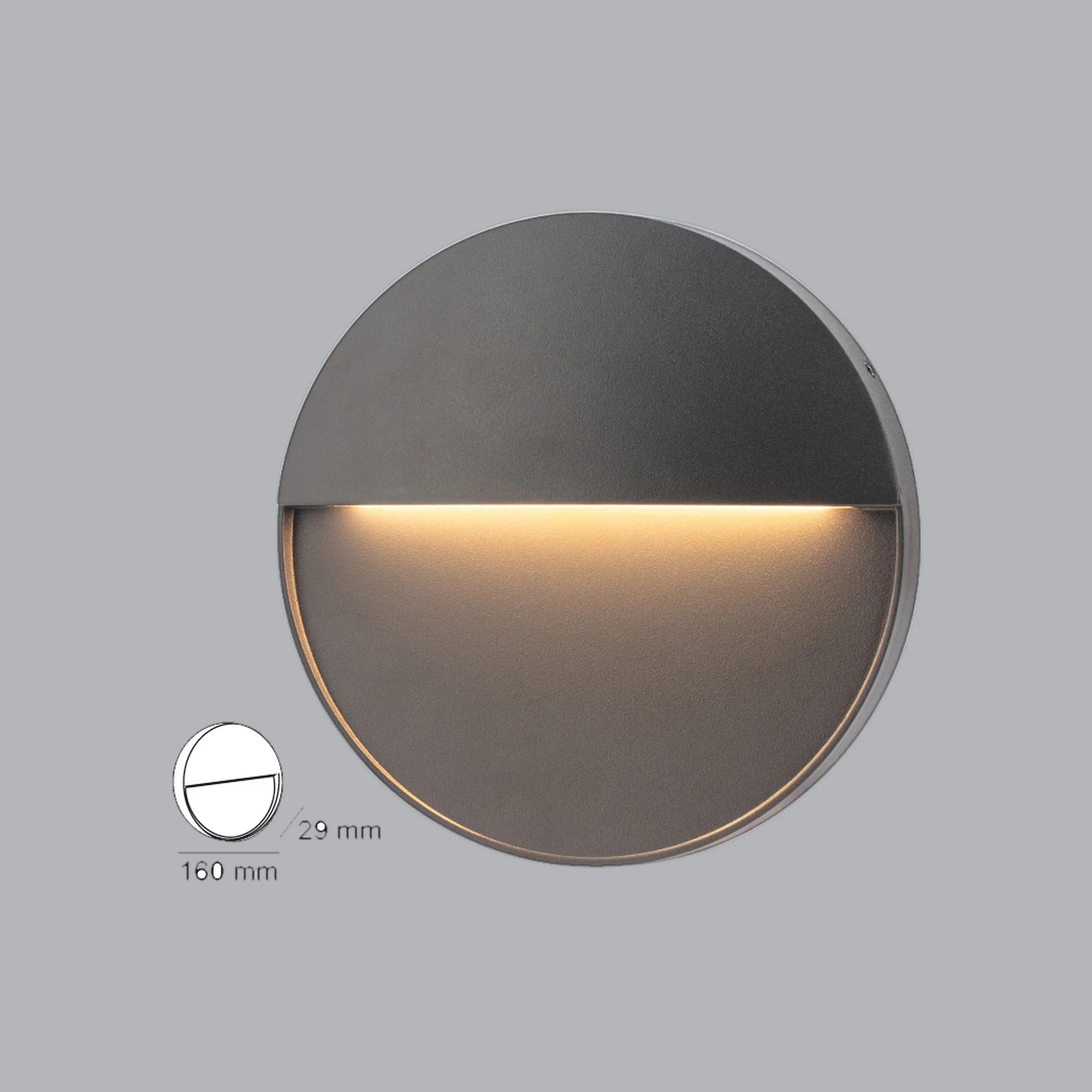
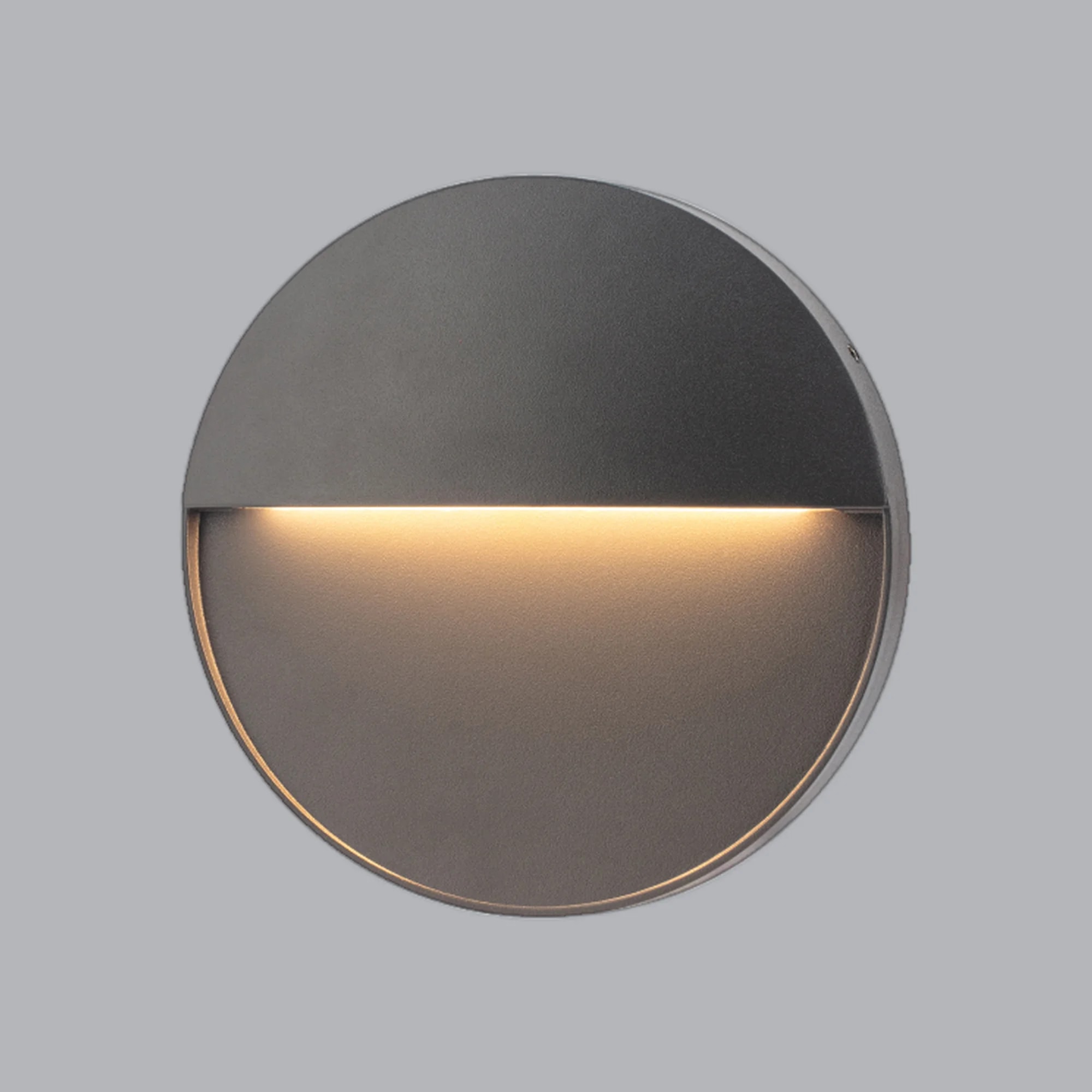
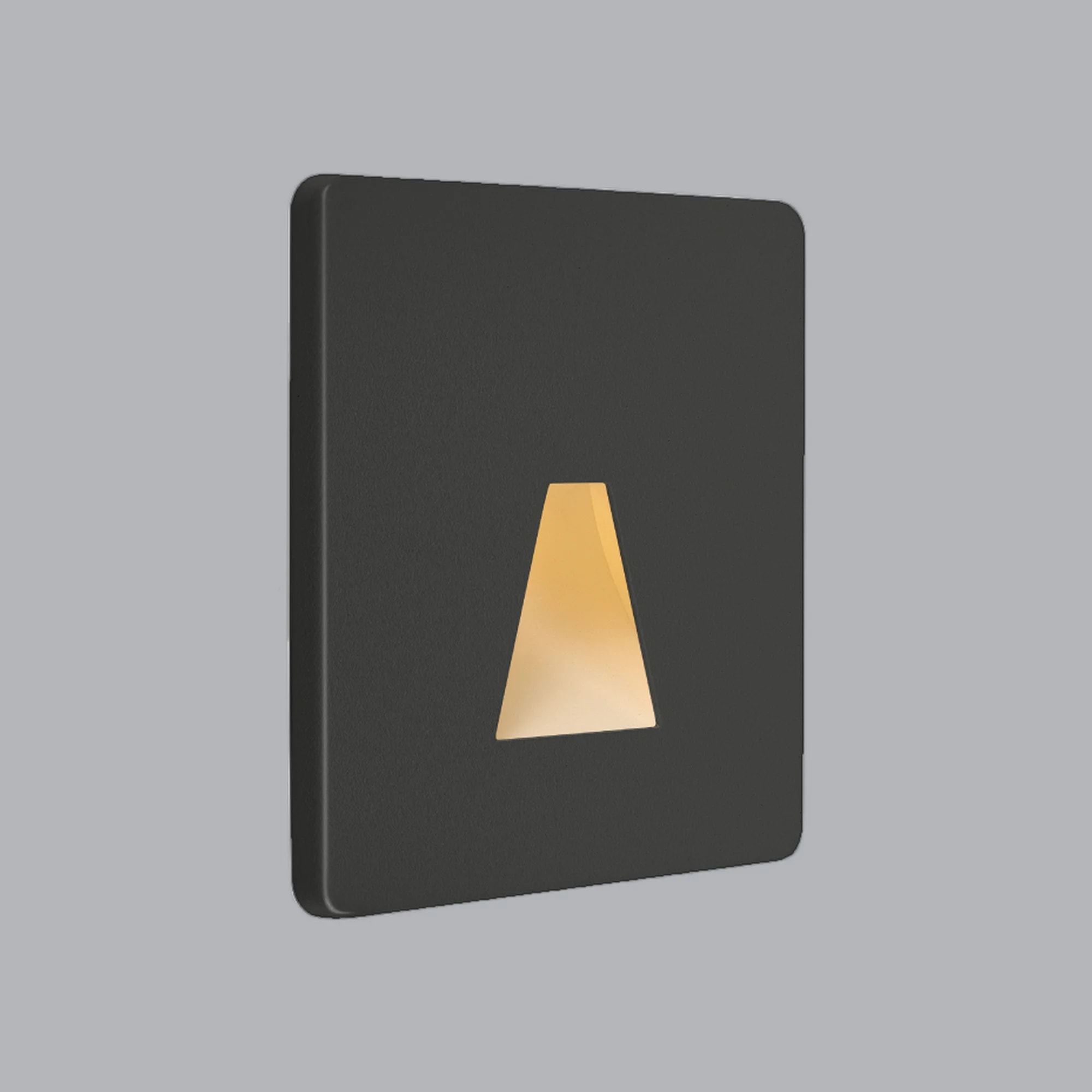



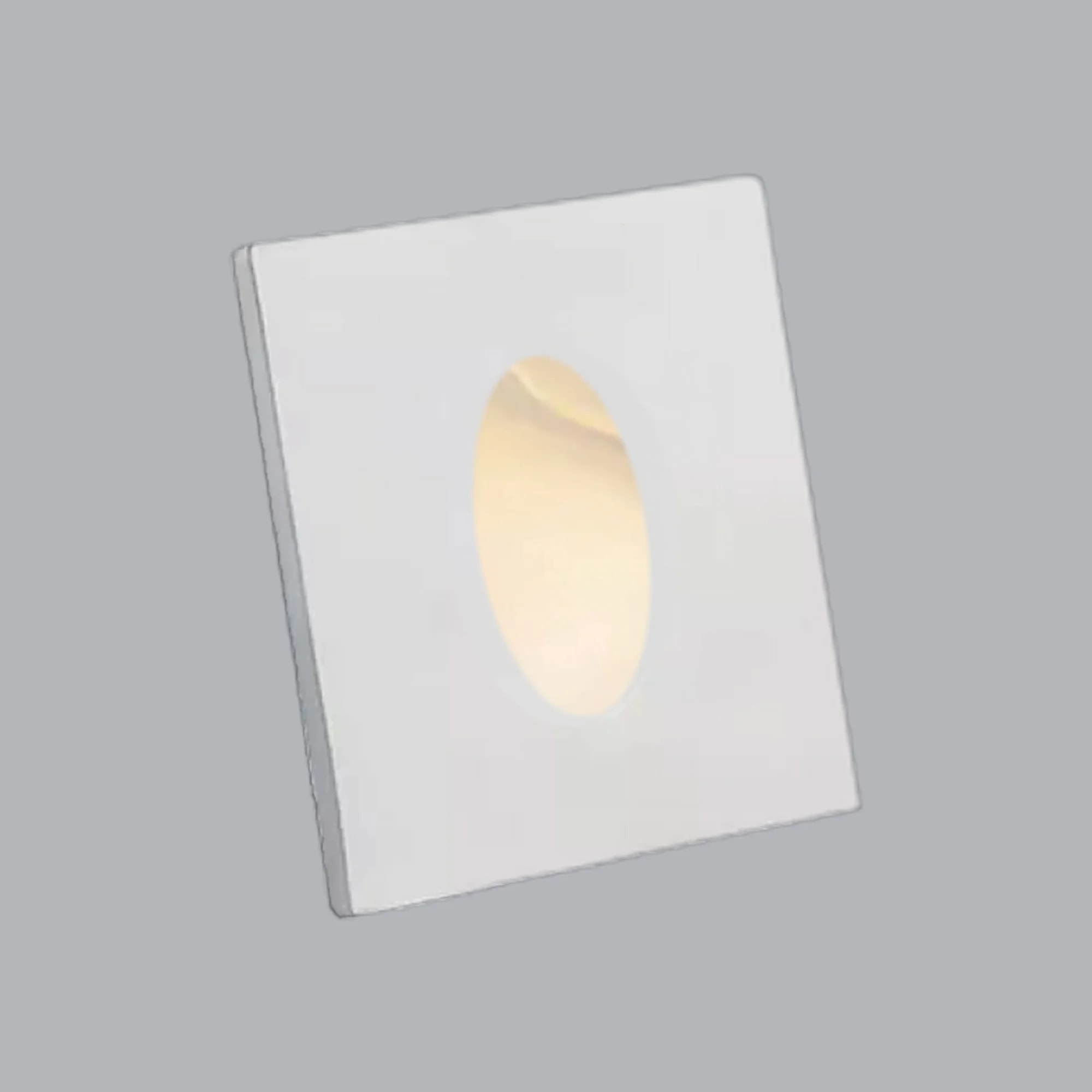
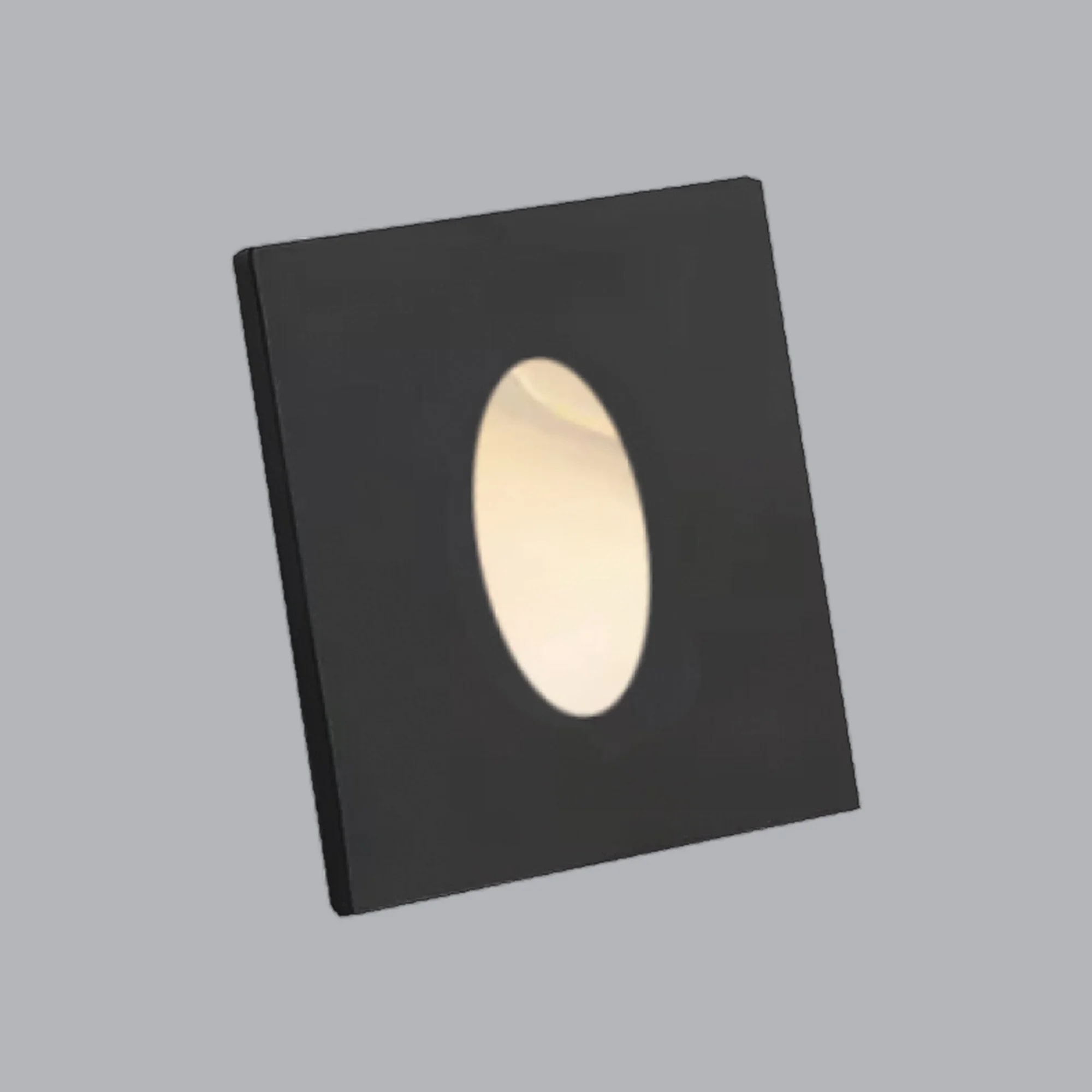
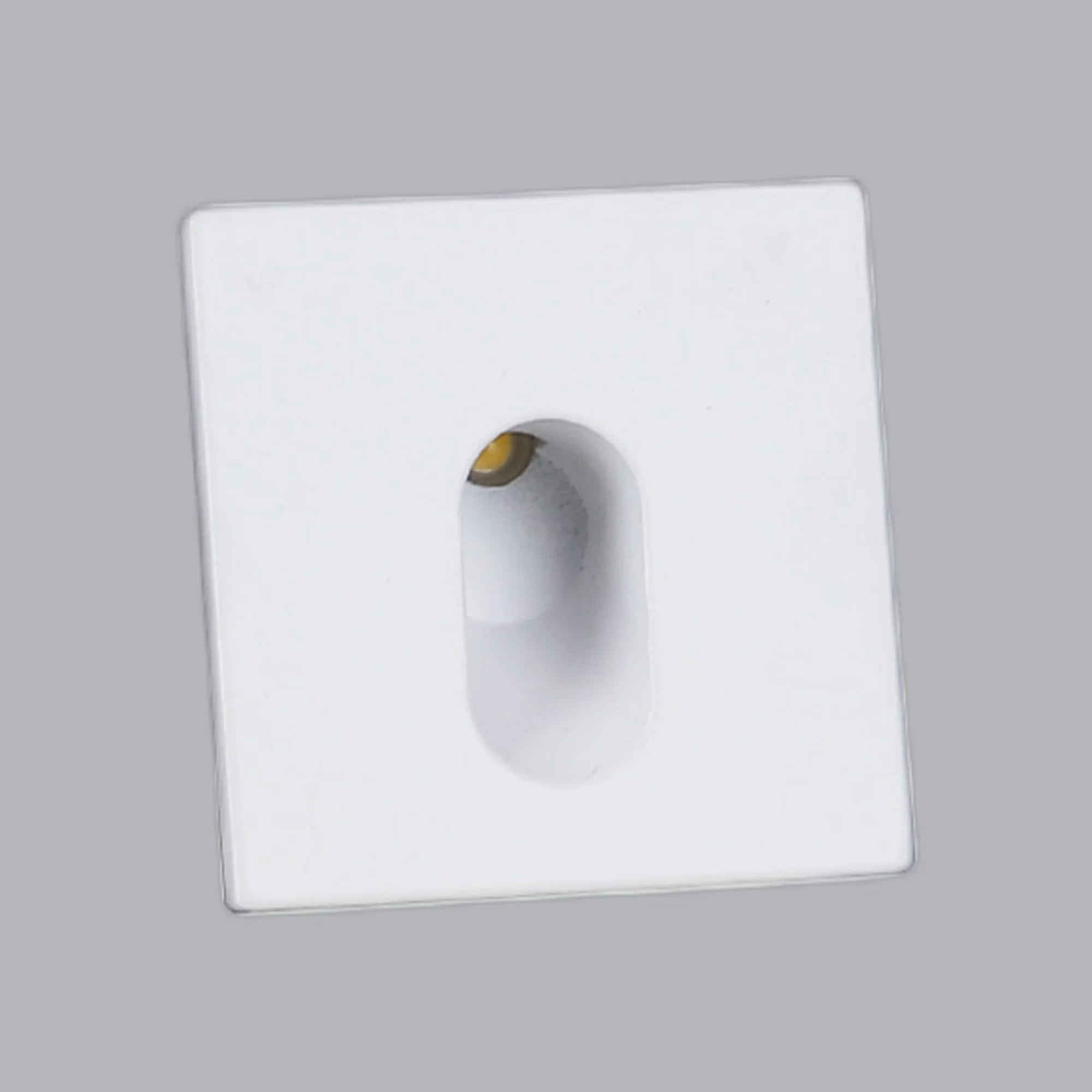


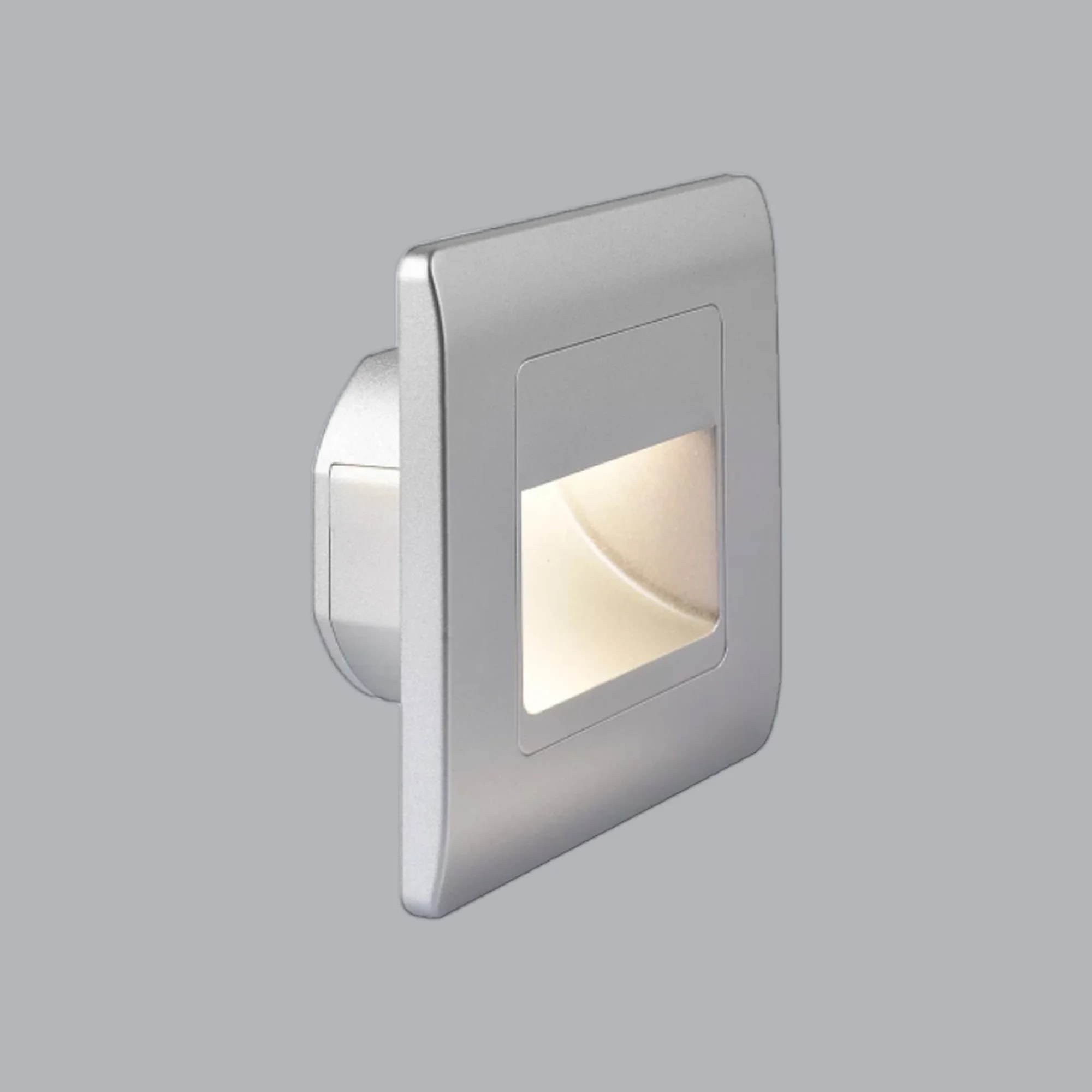
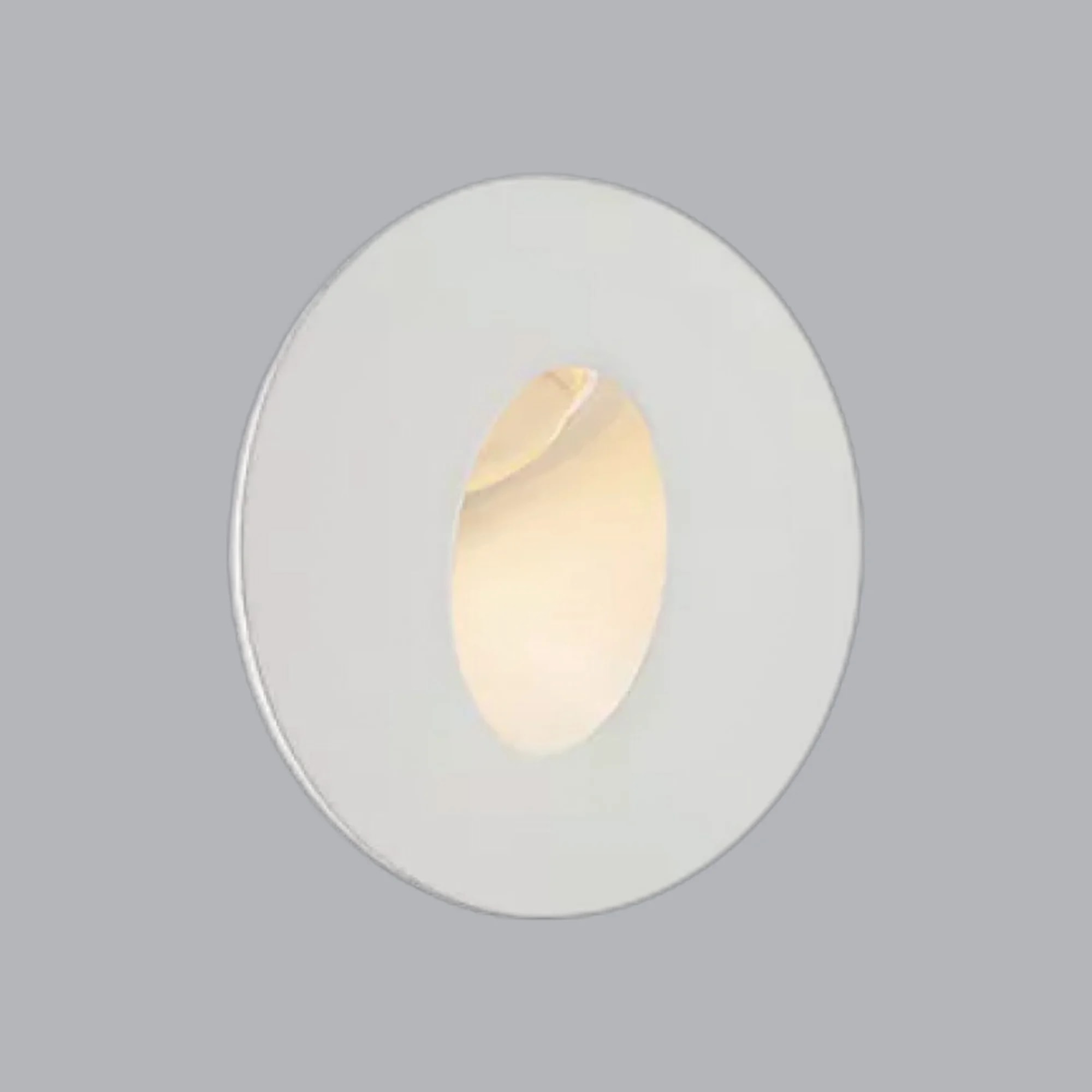
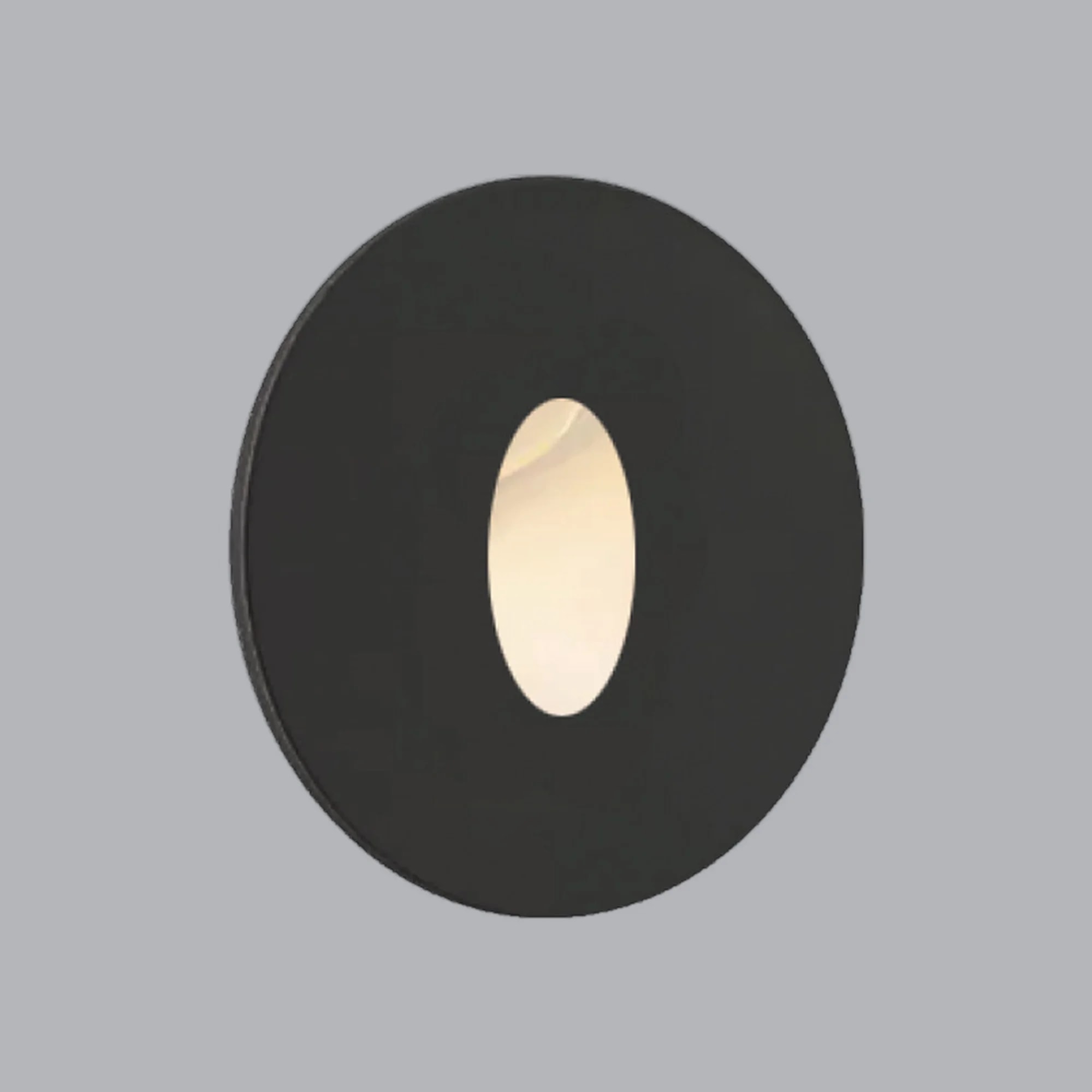
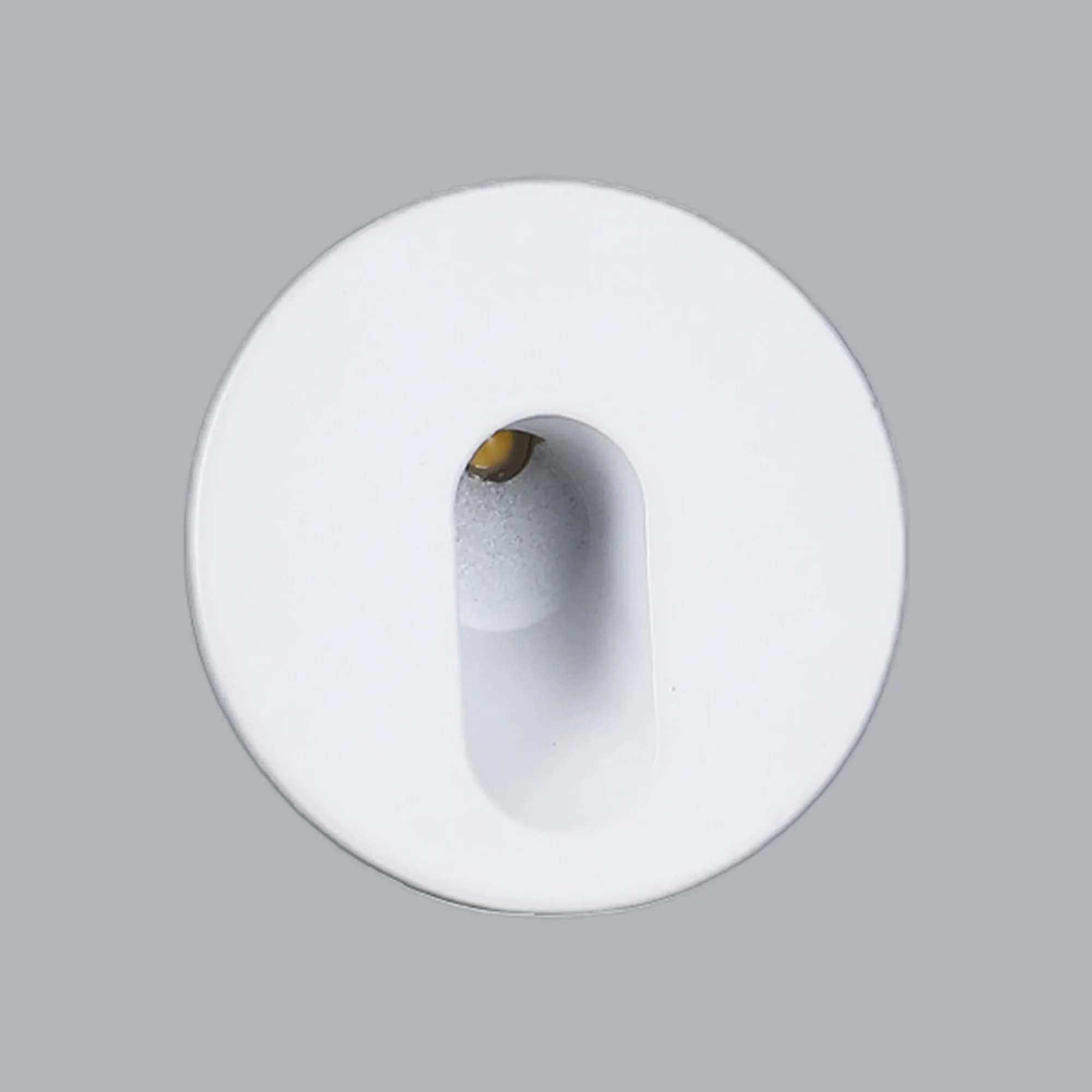
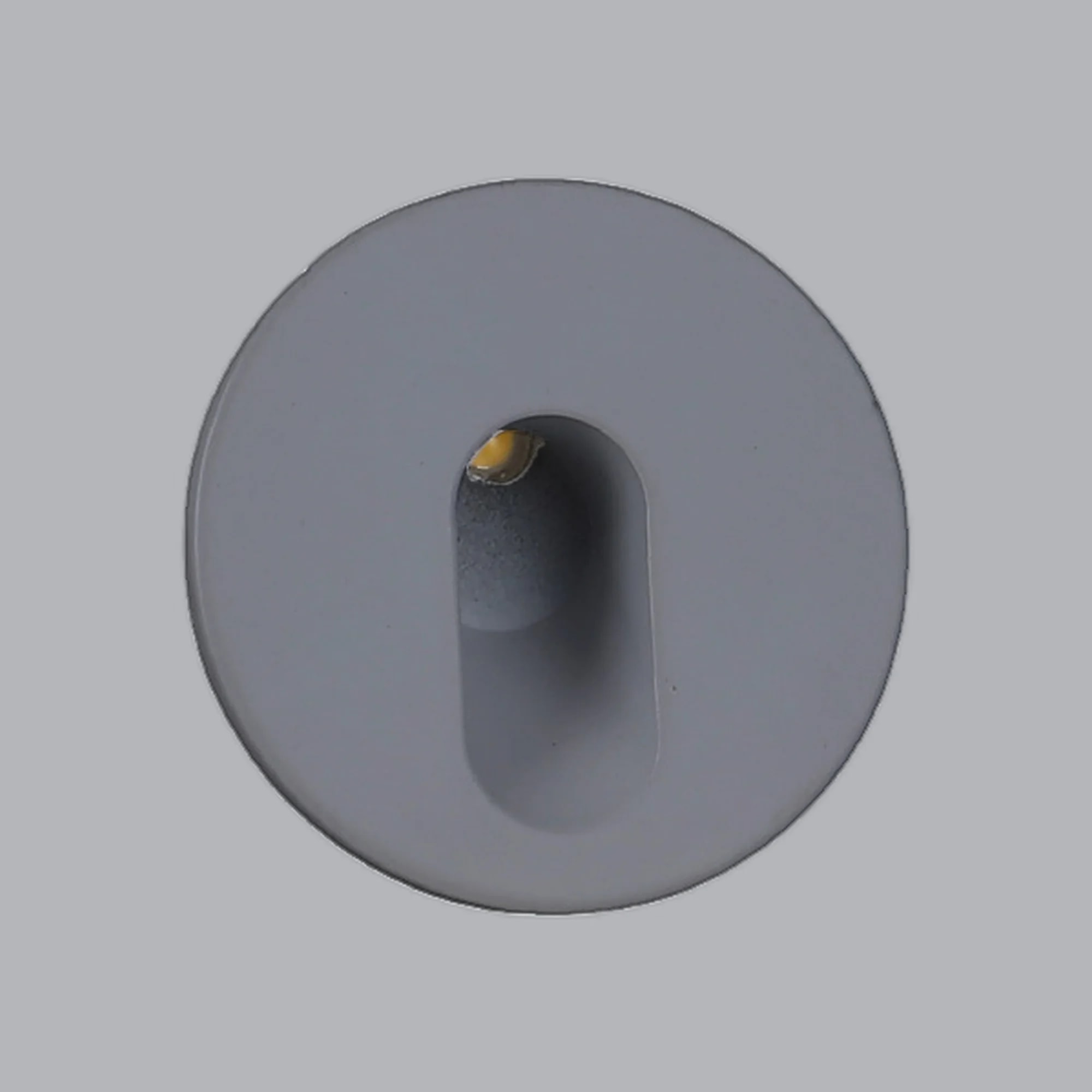
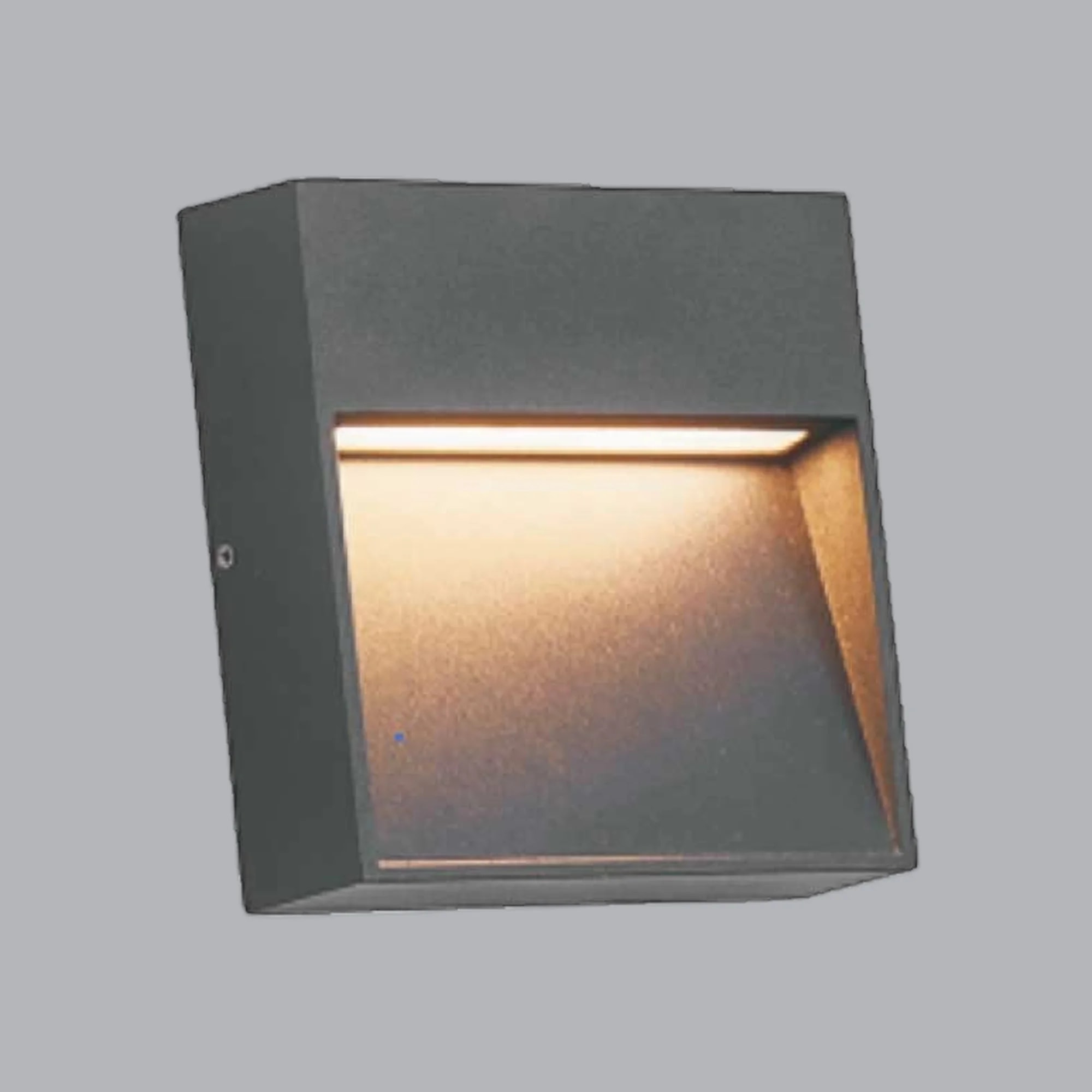


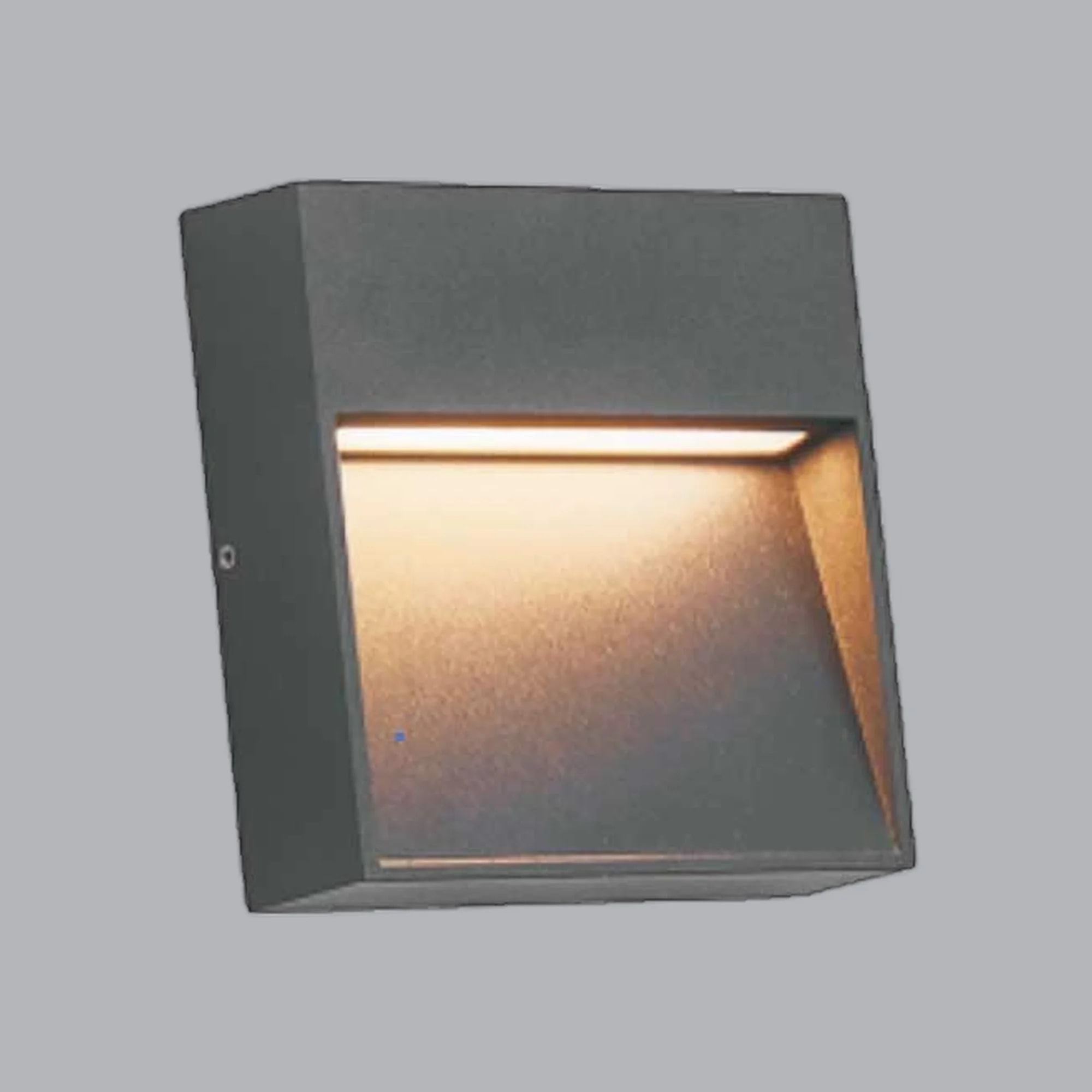

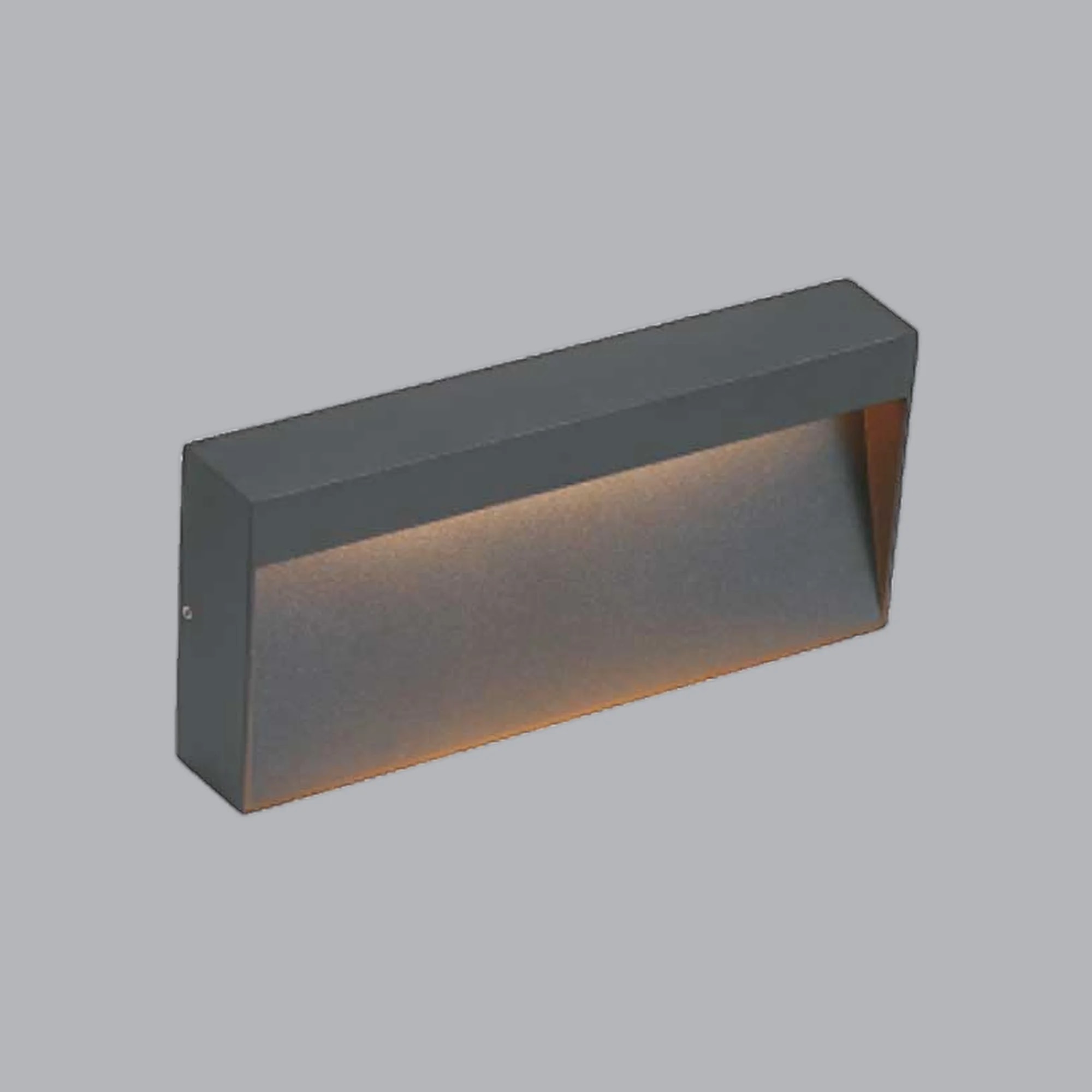


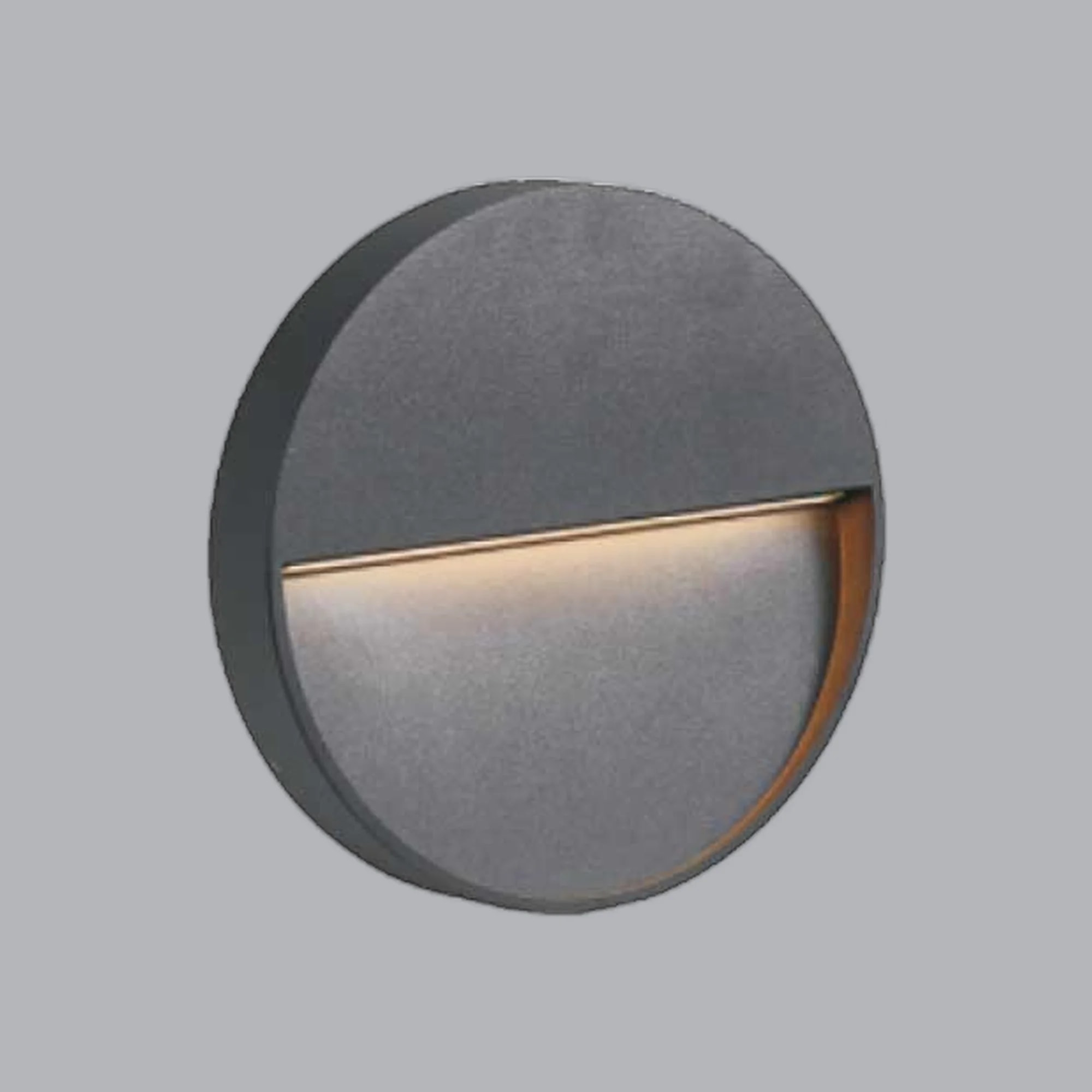
How to light a staircase
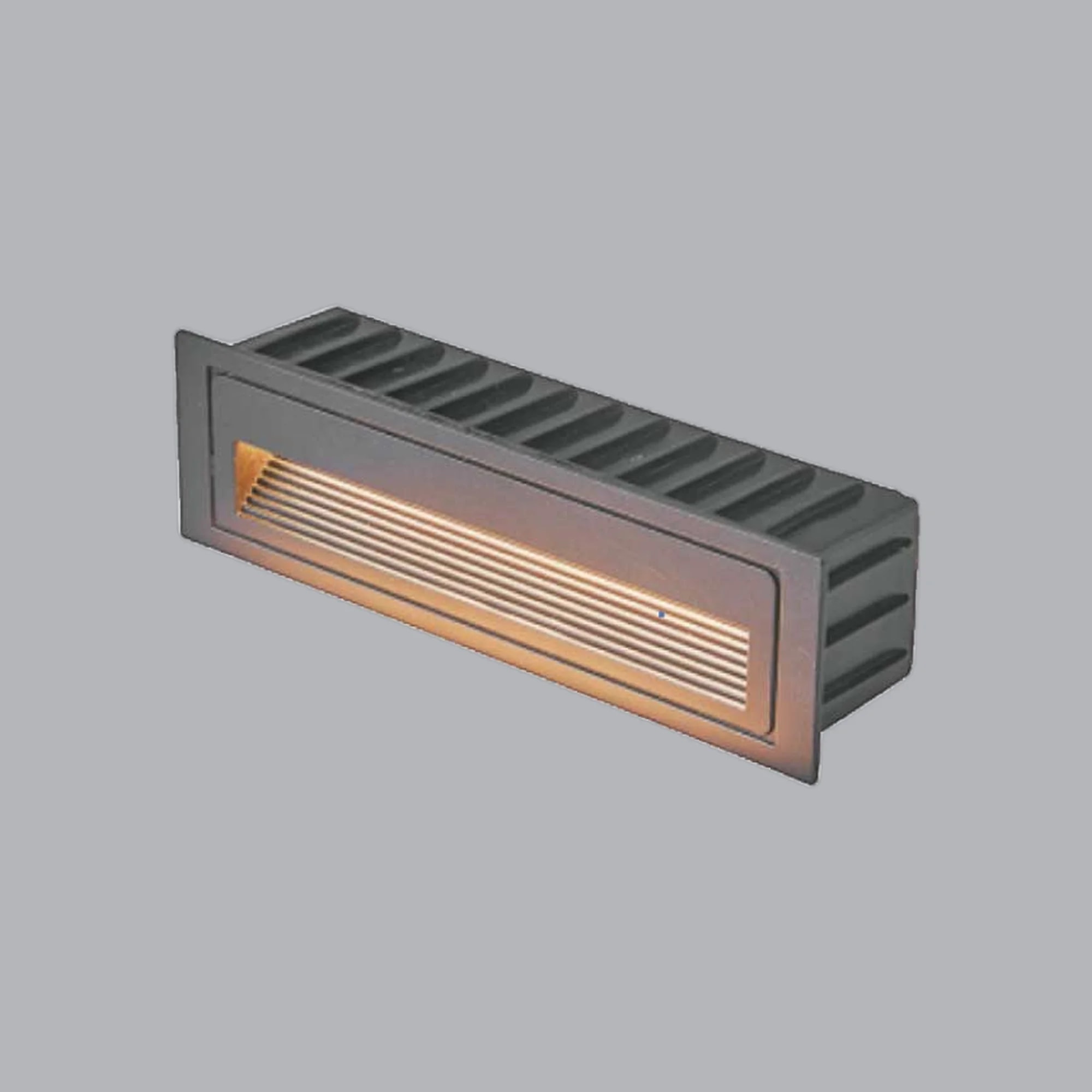
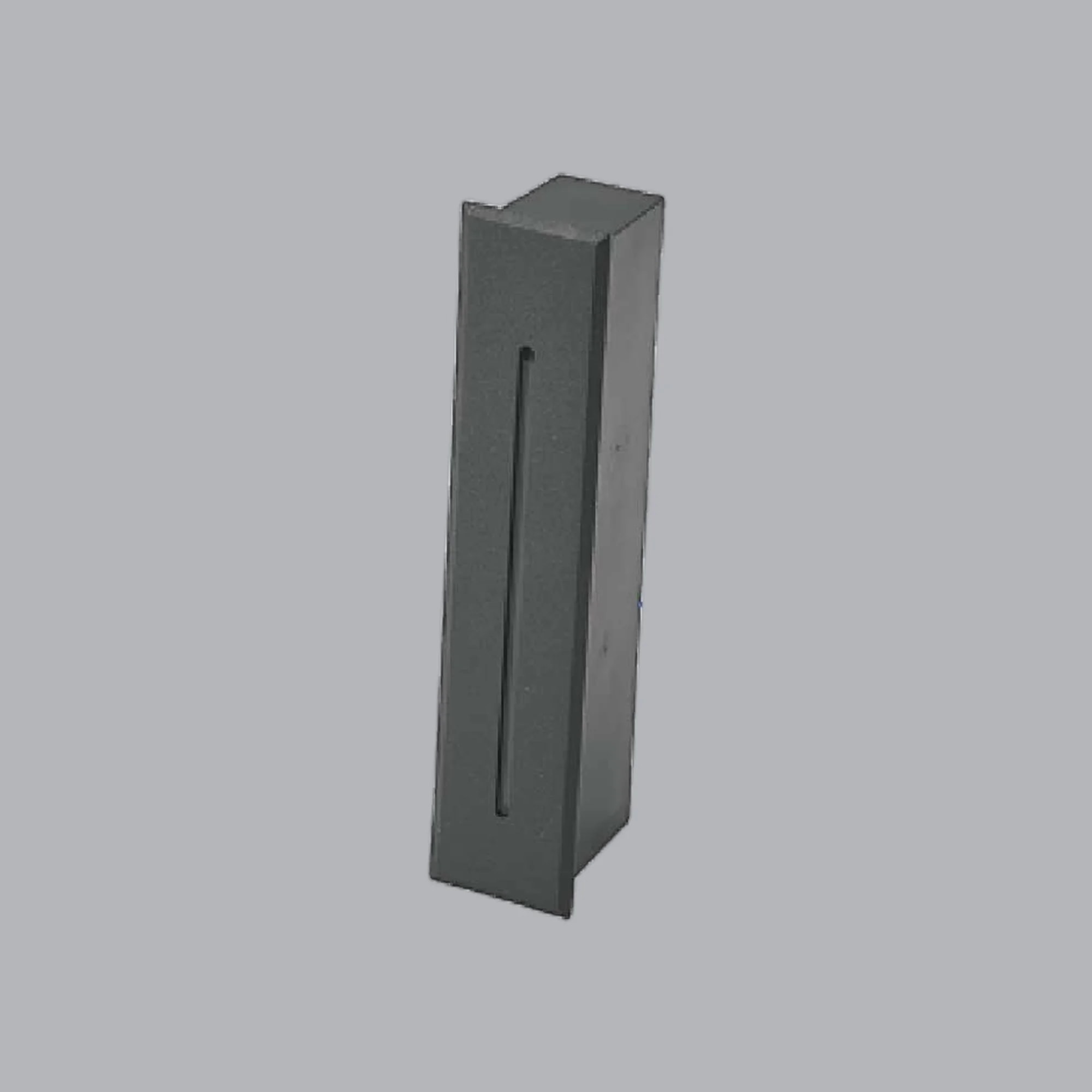
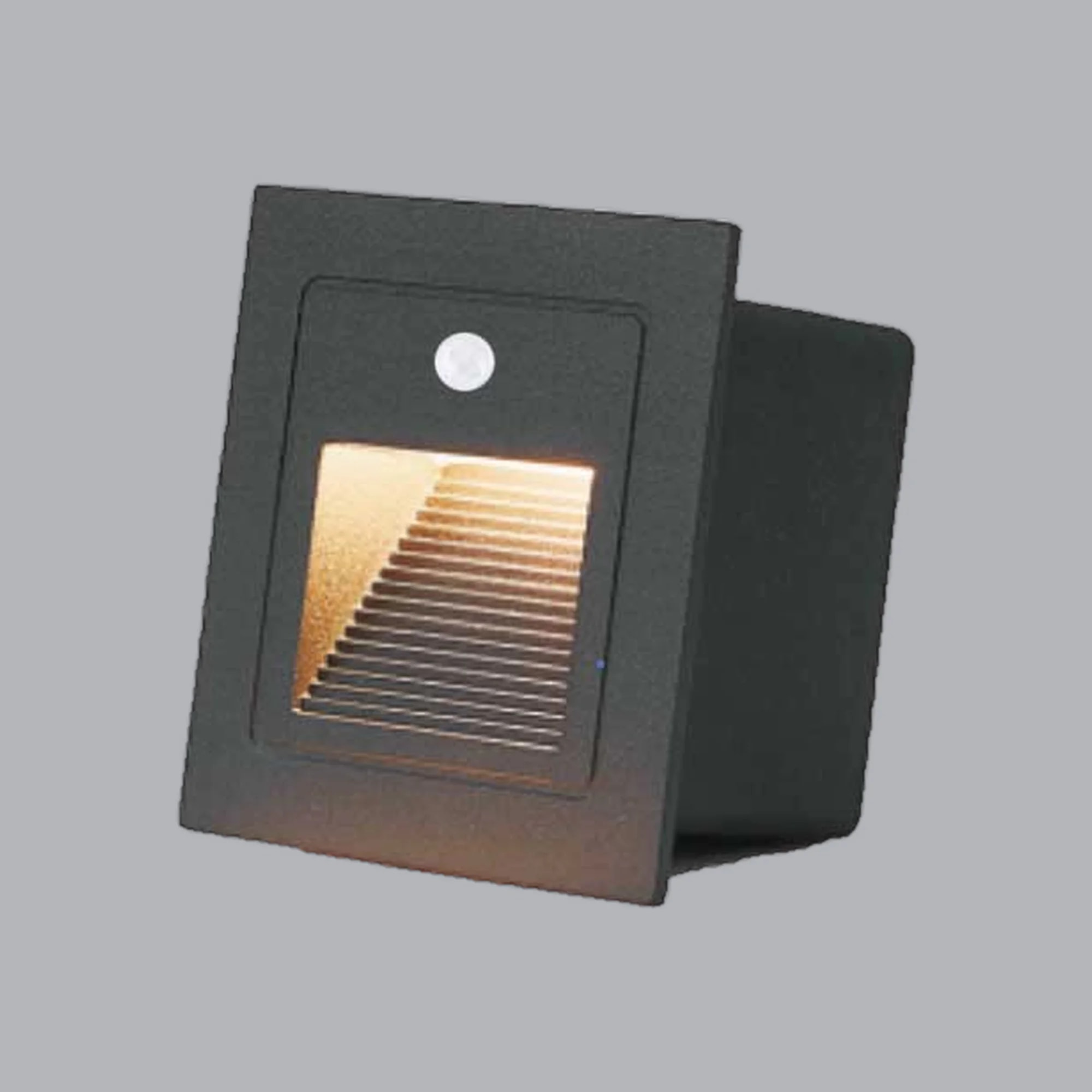
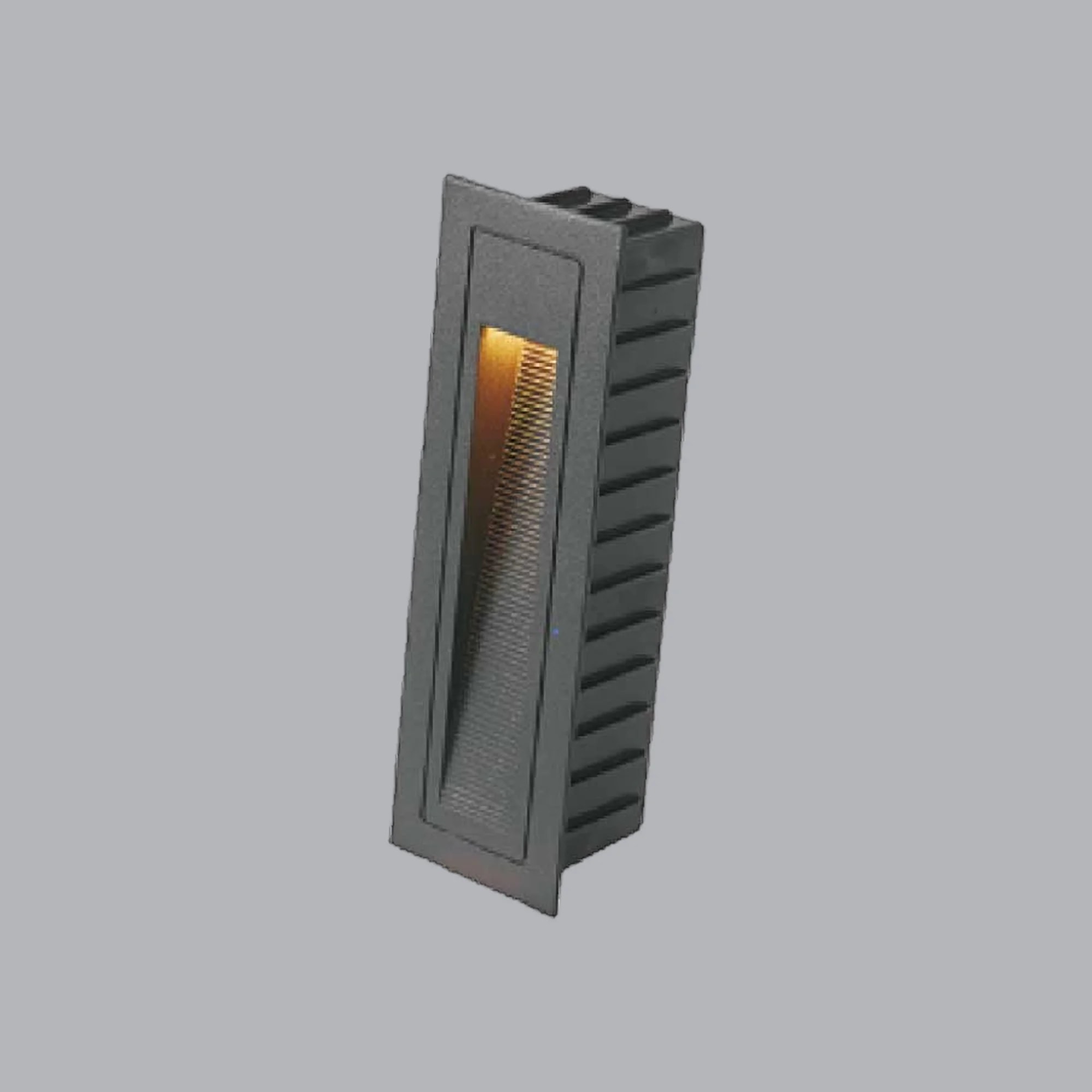
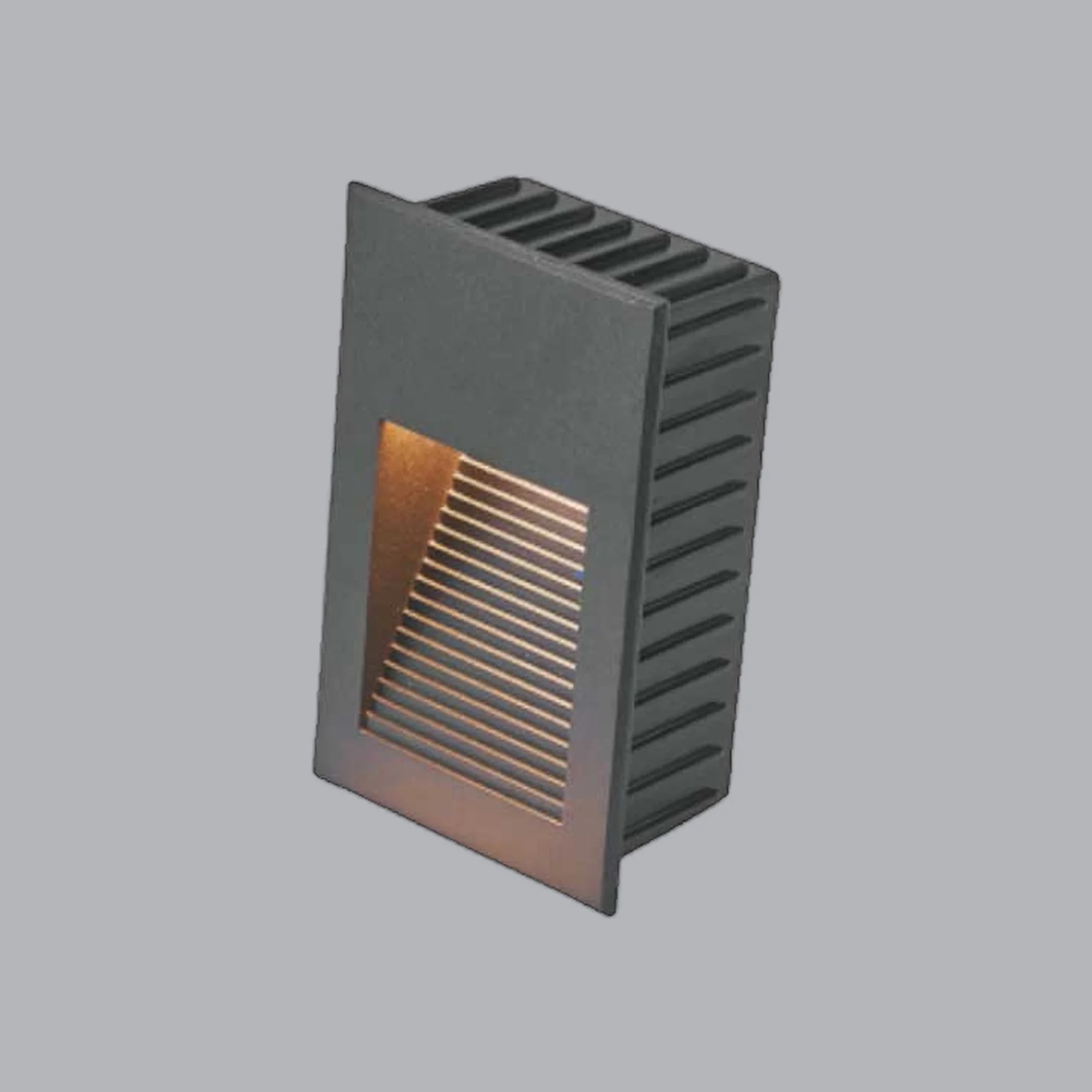
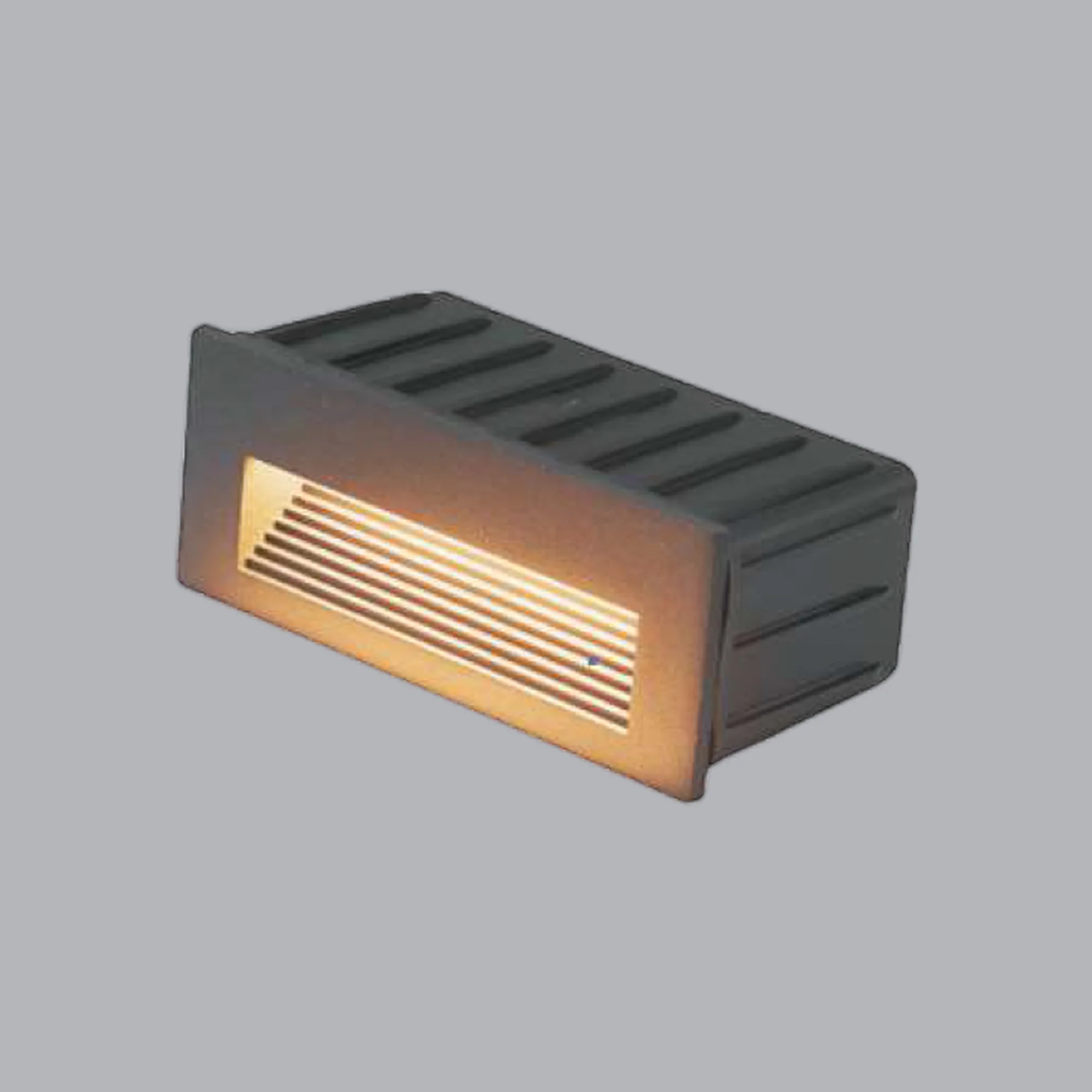
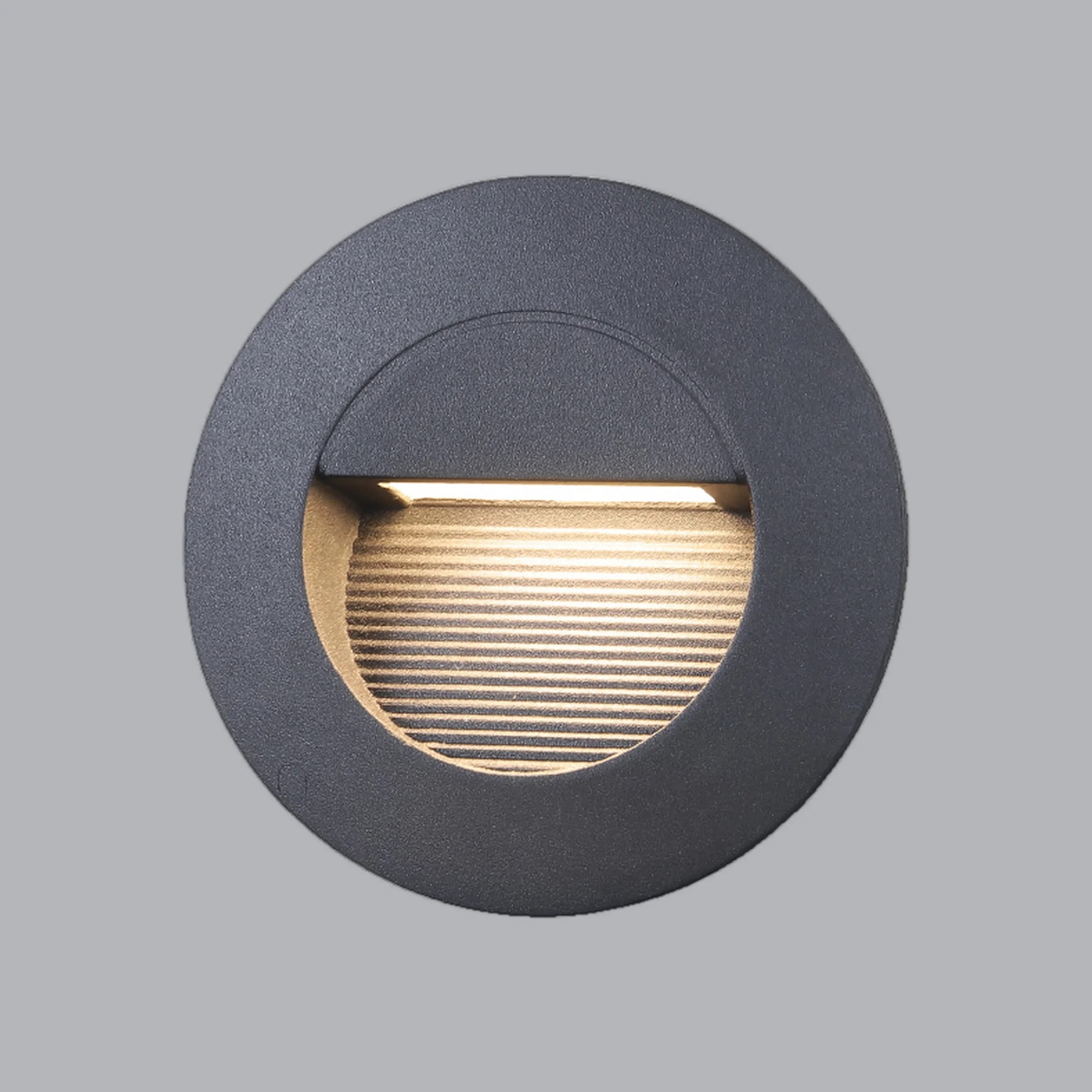
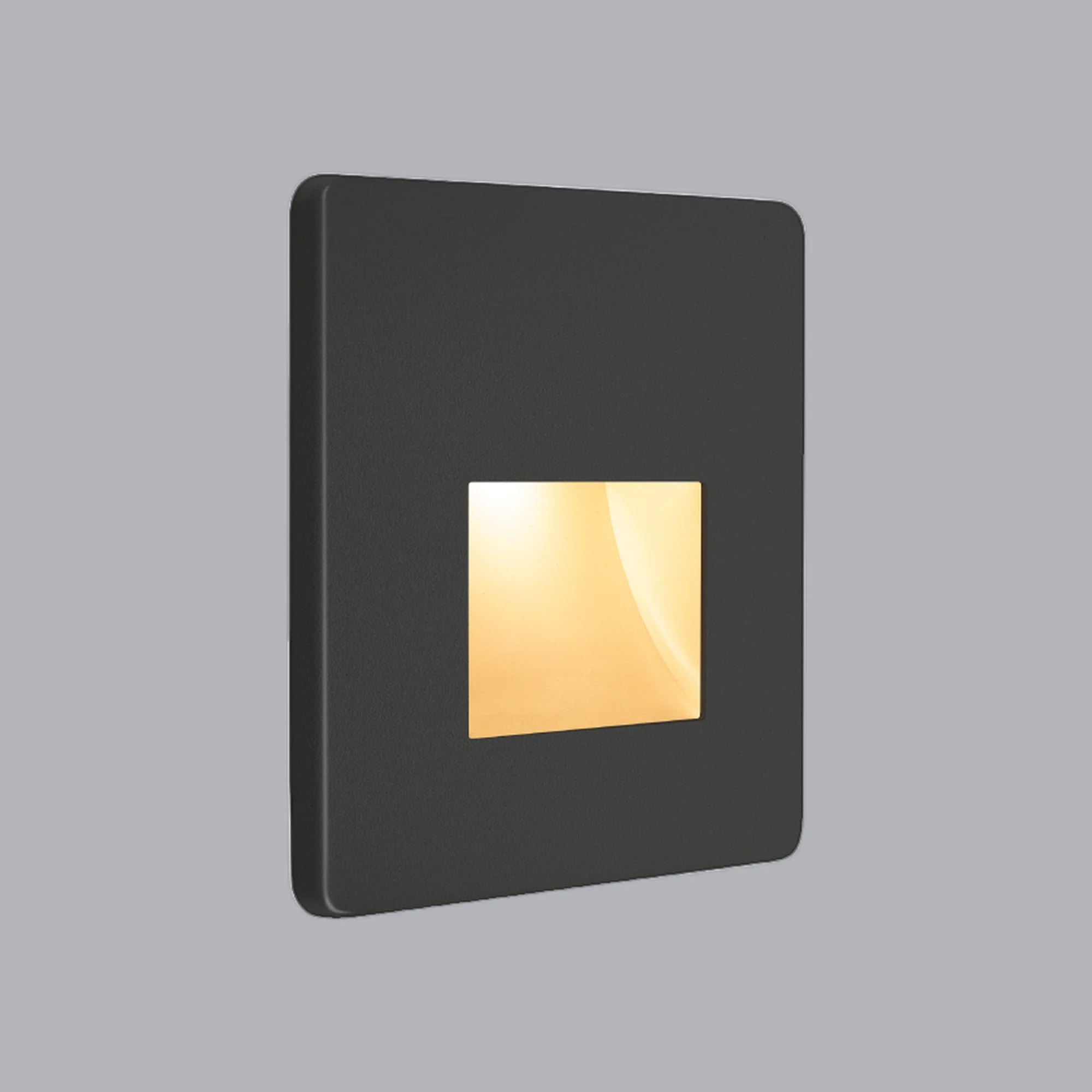
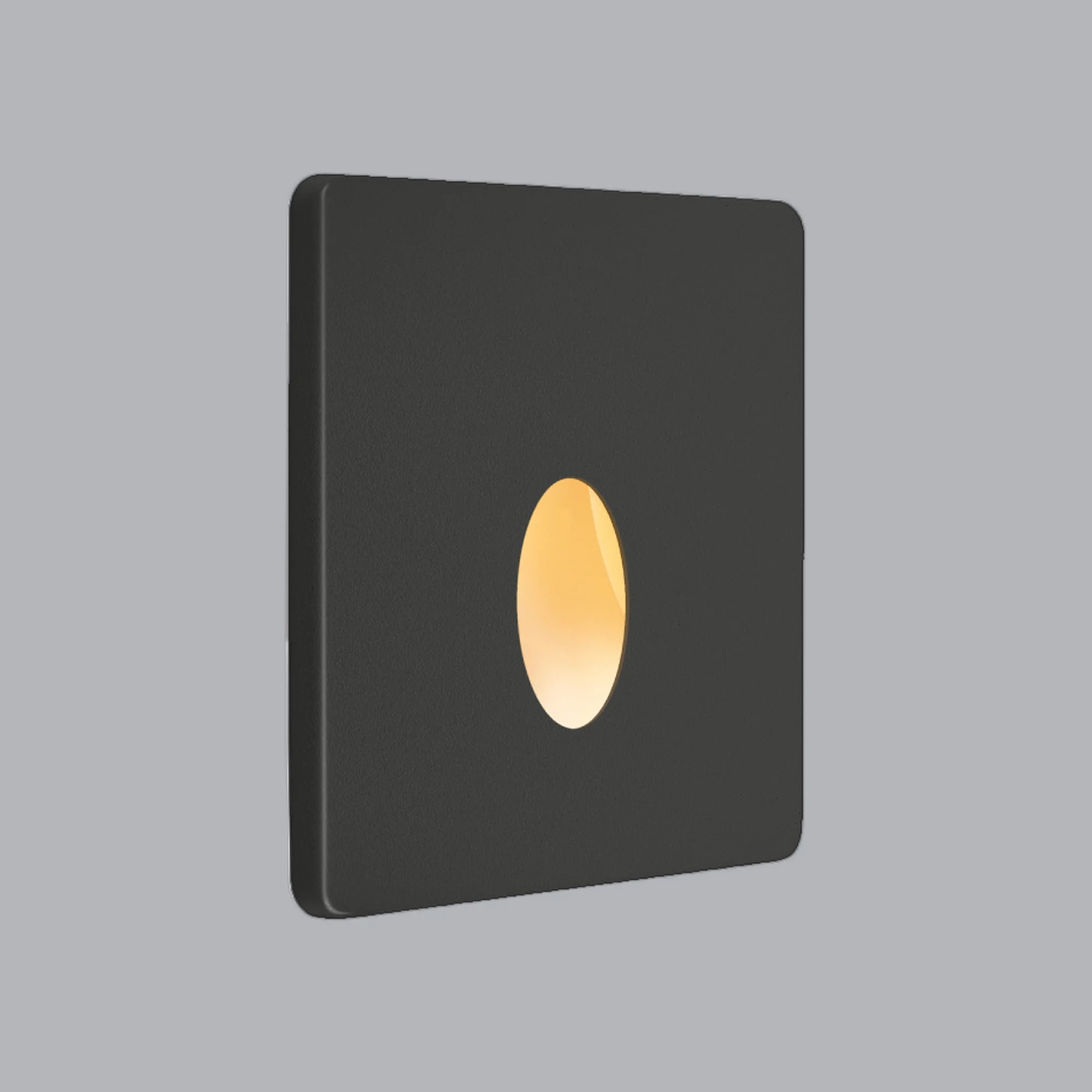
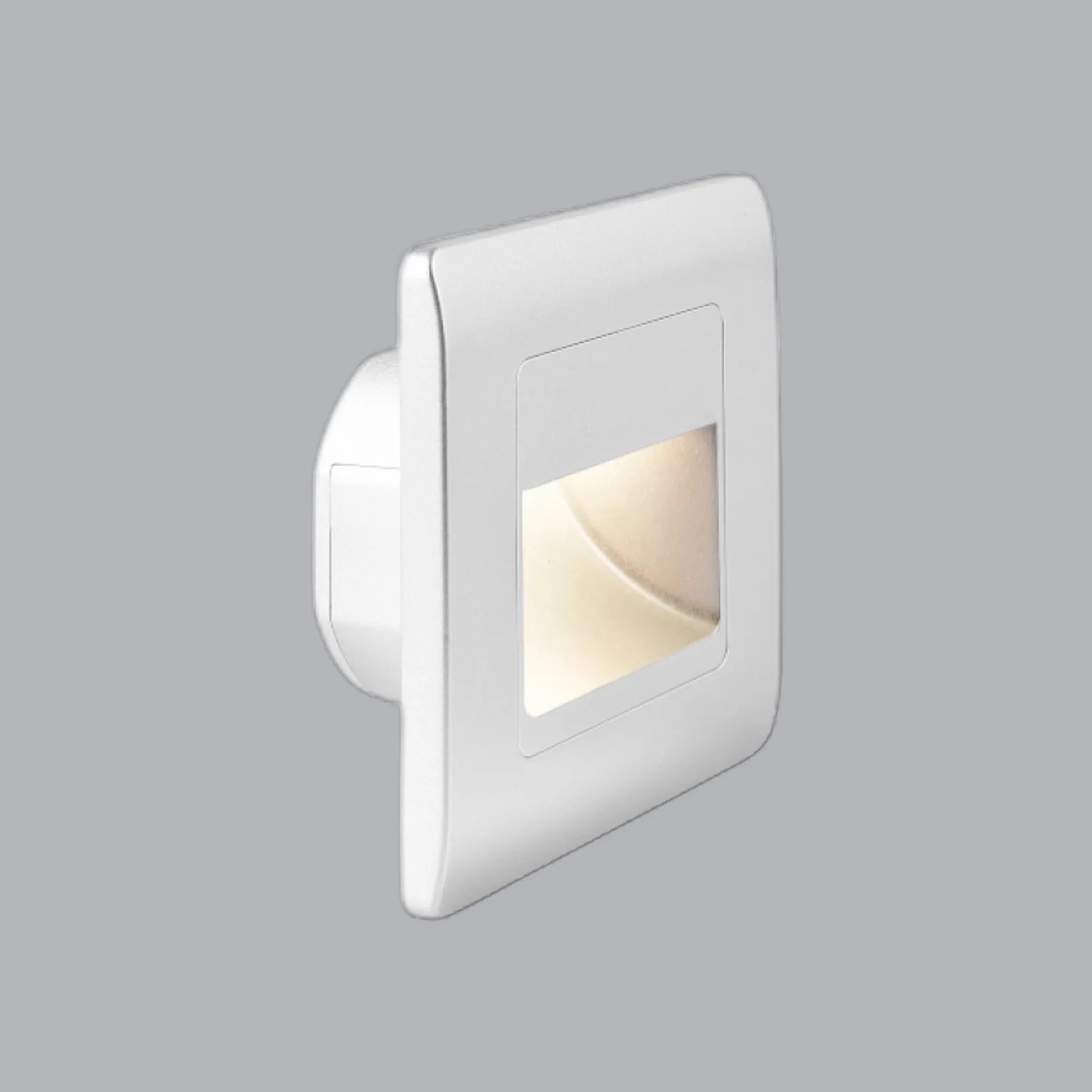
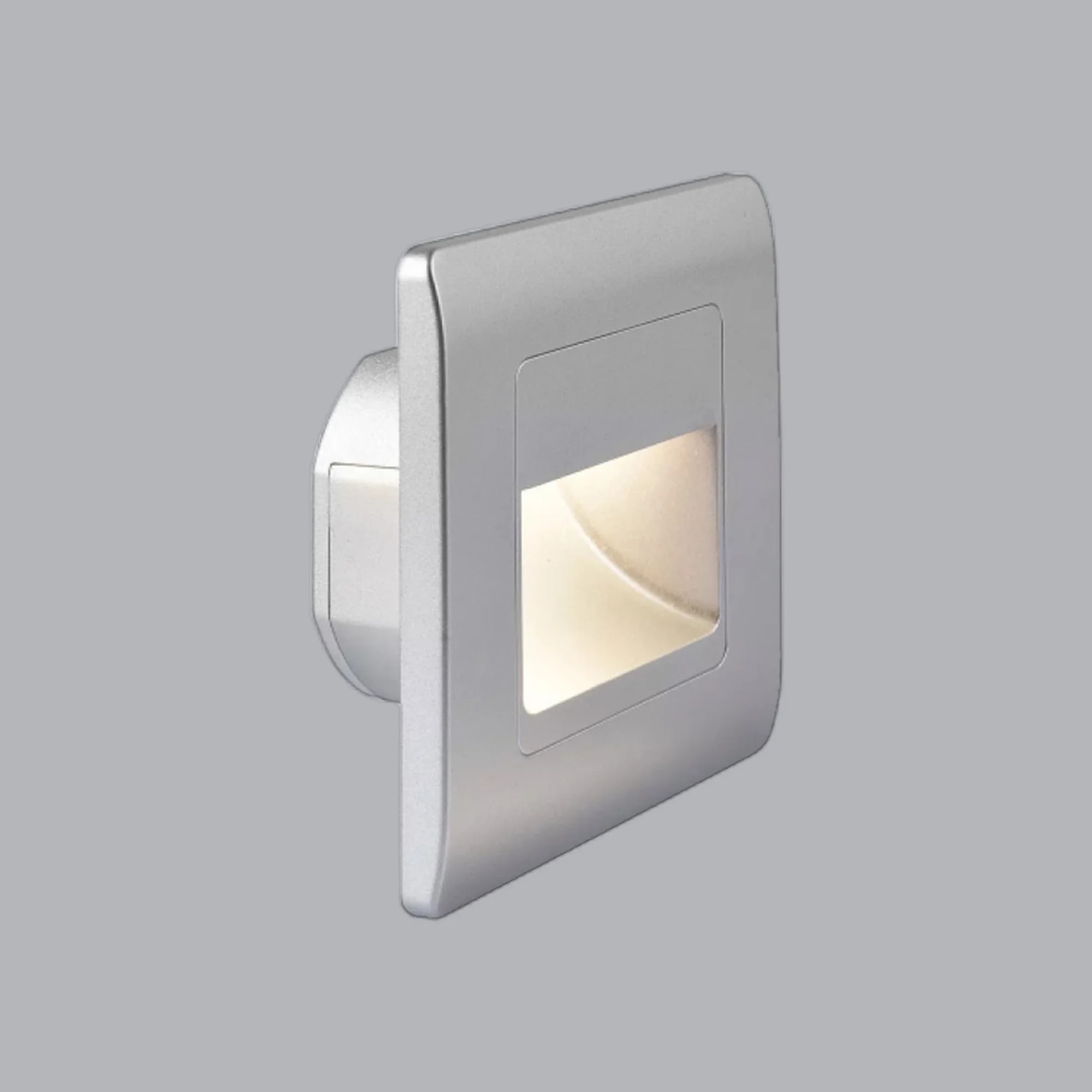
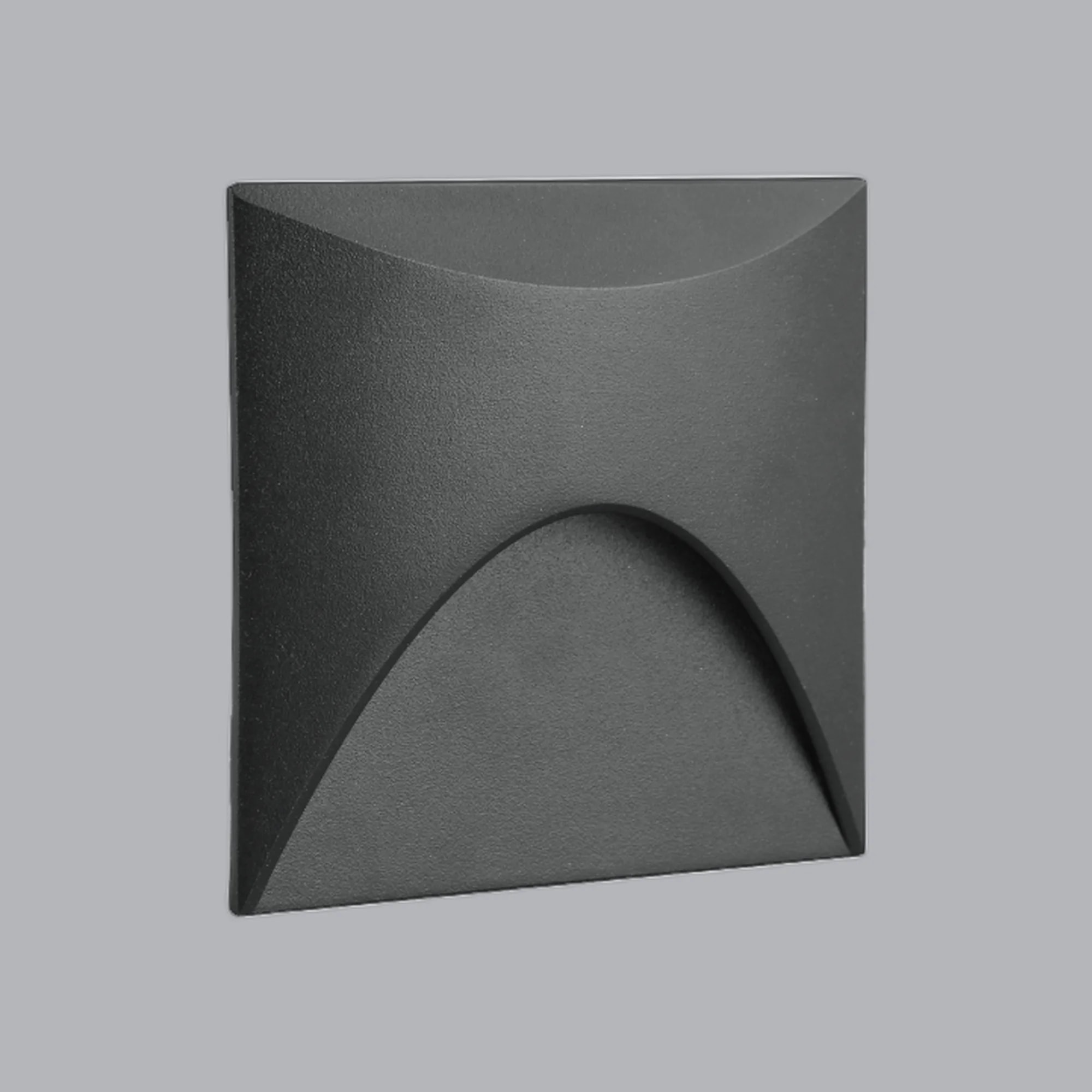
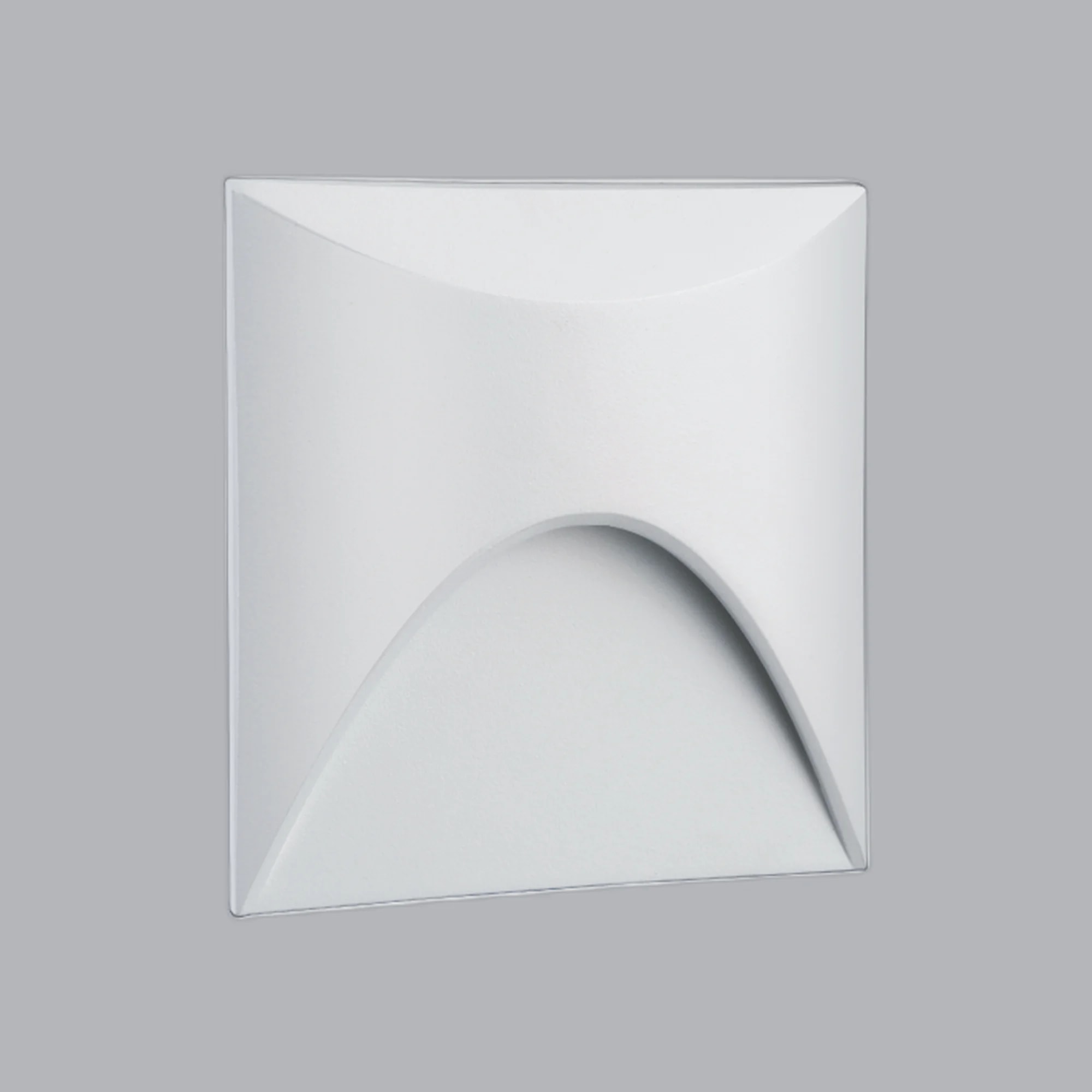
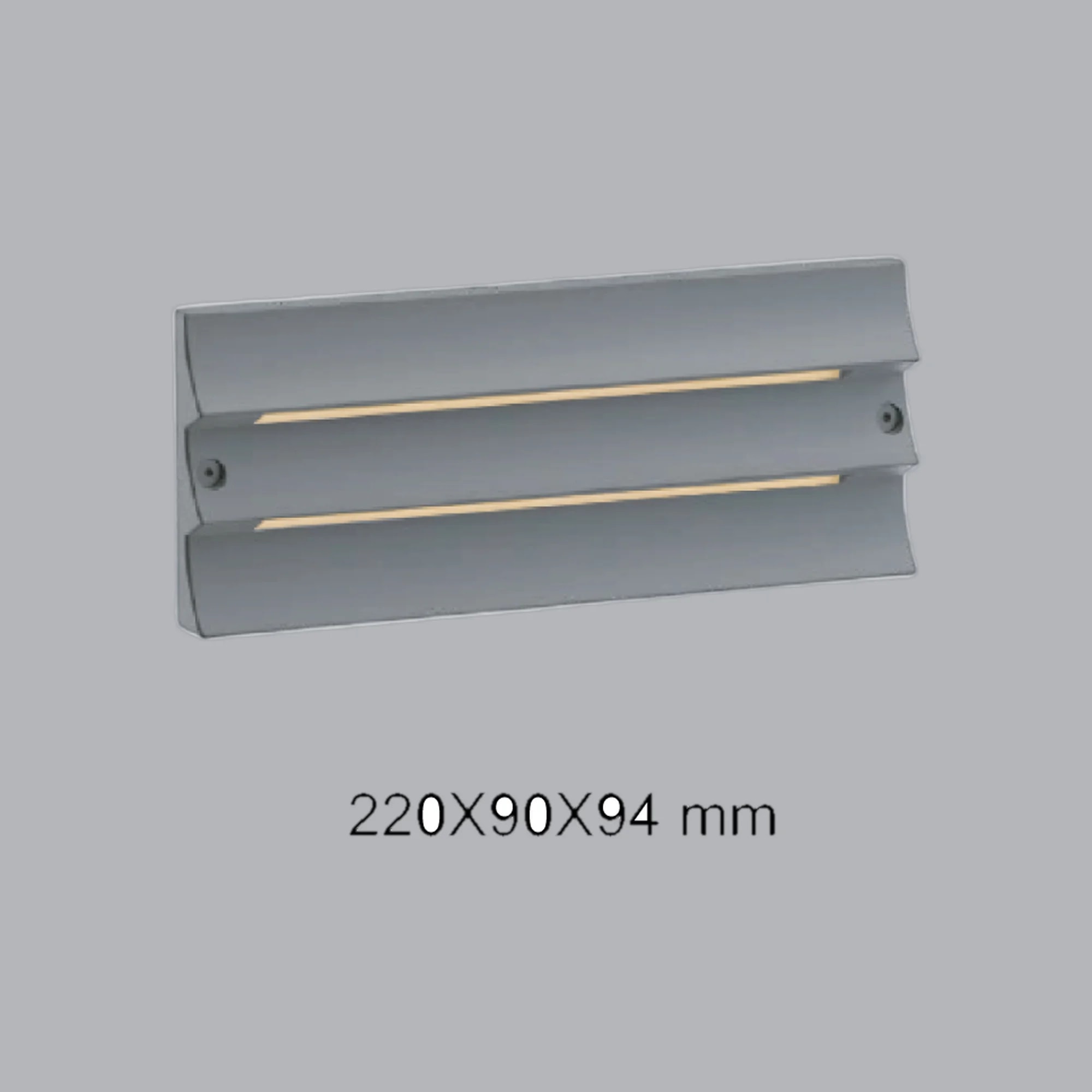
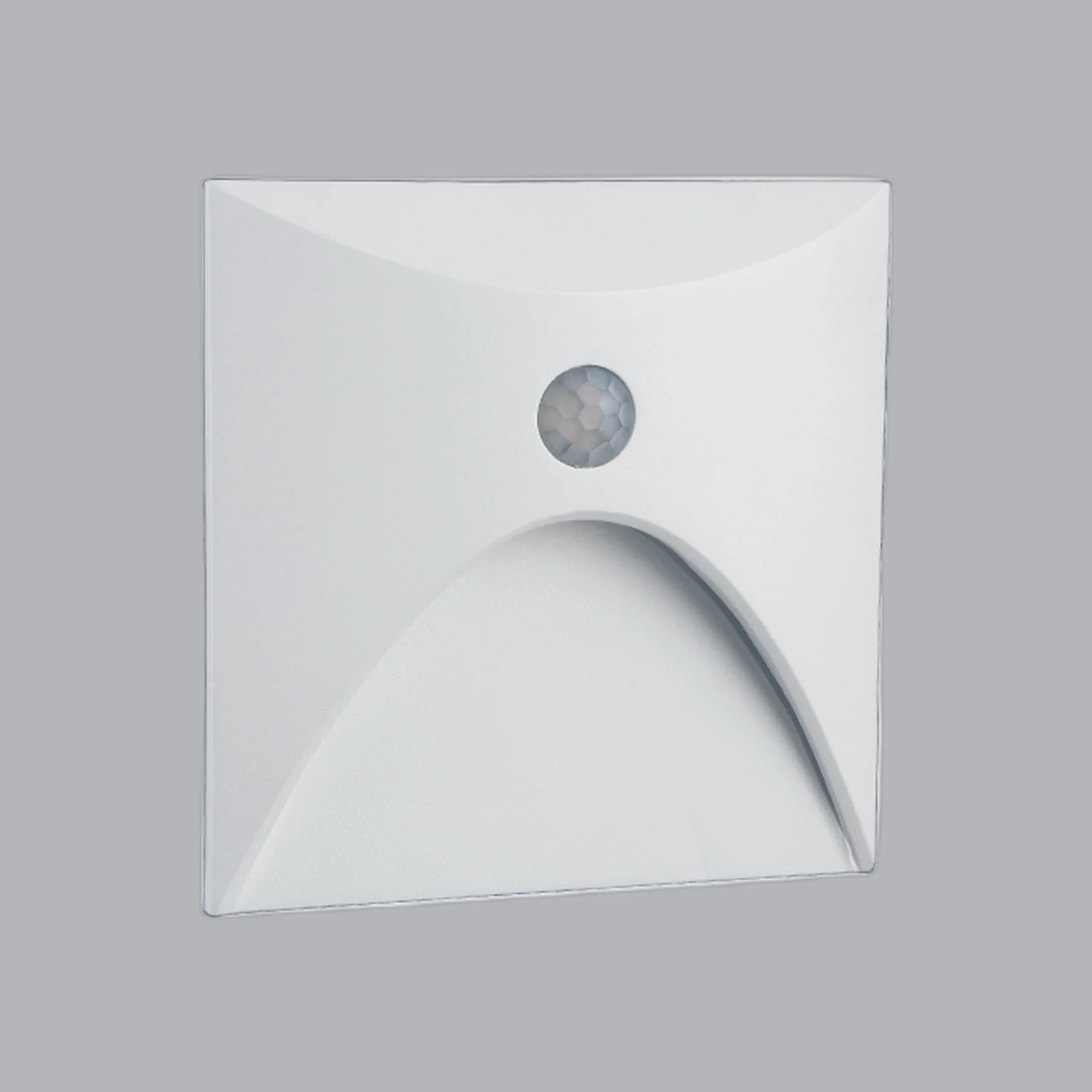
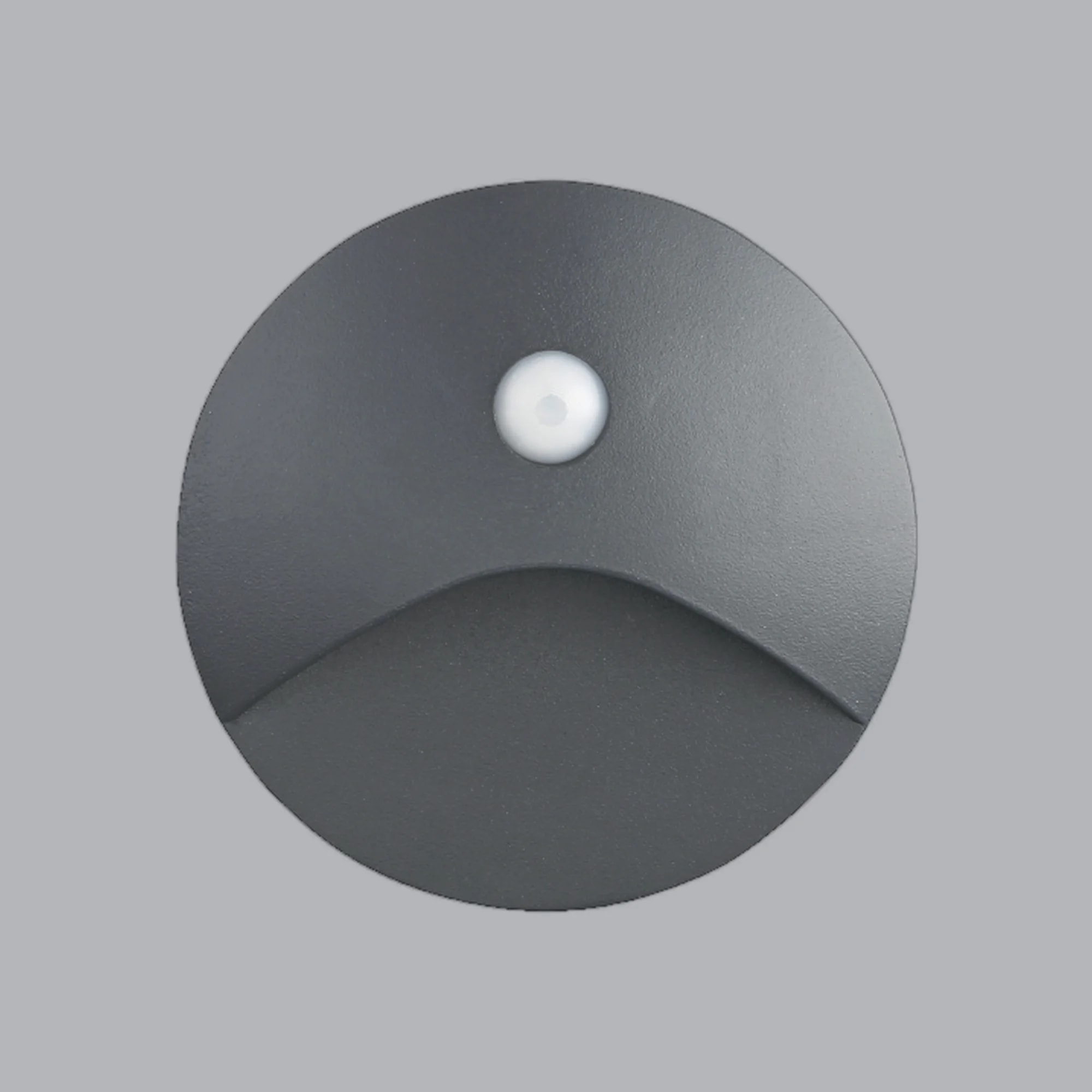
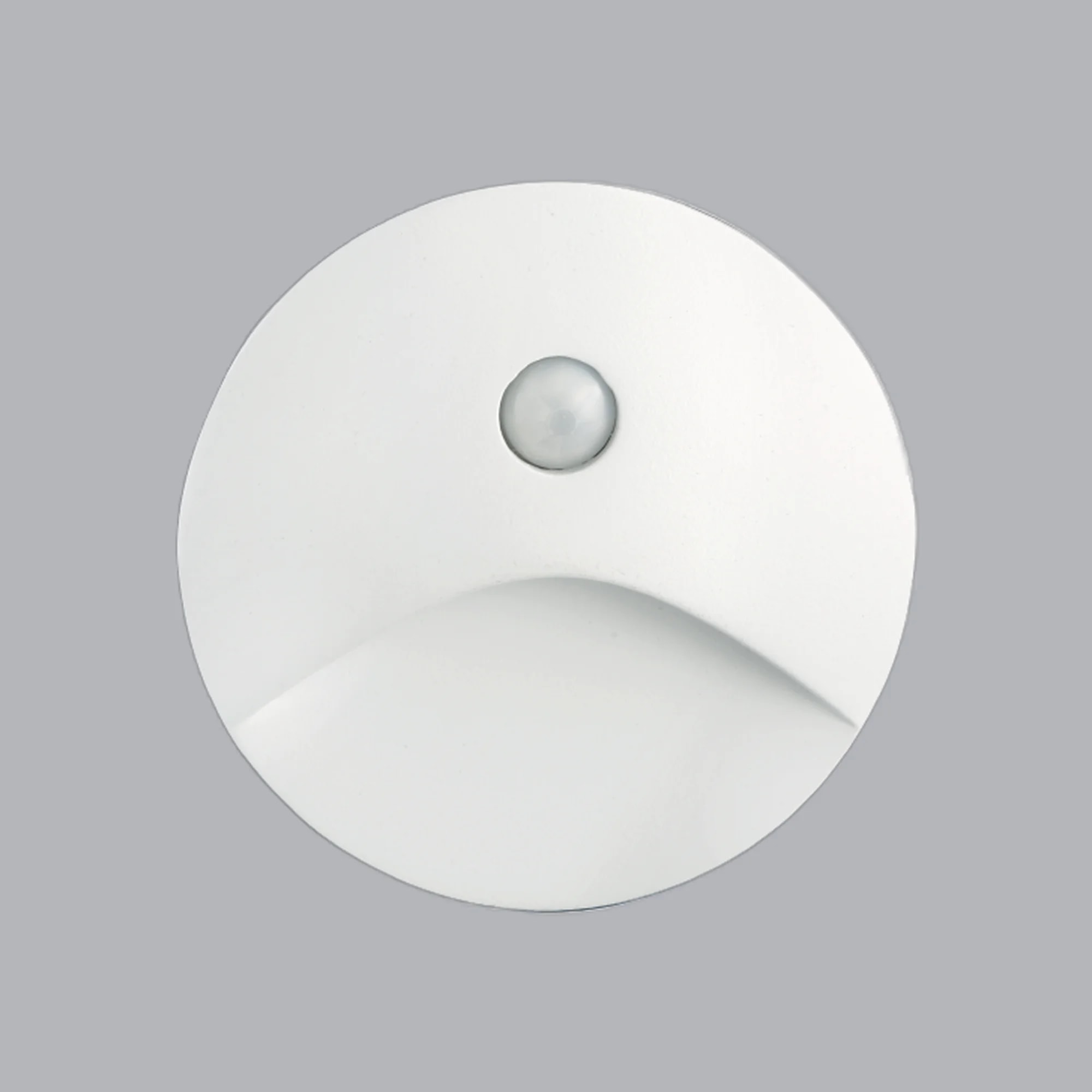
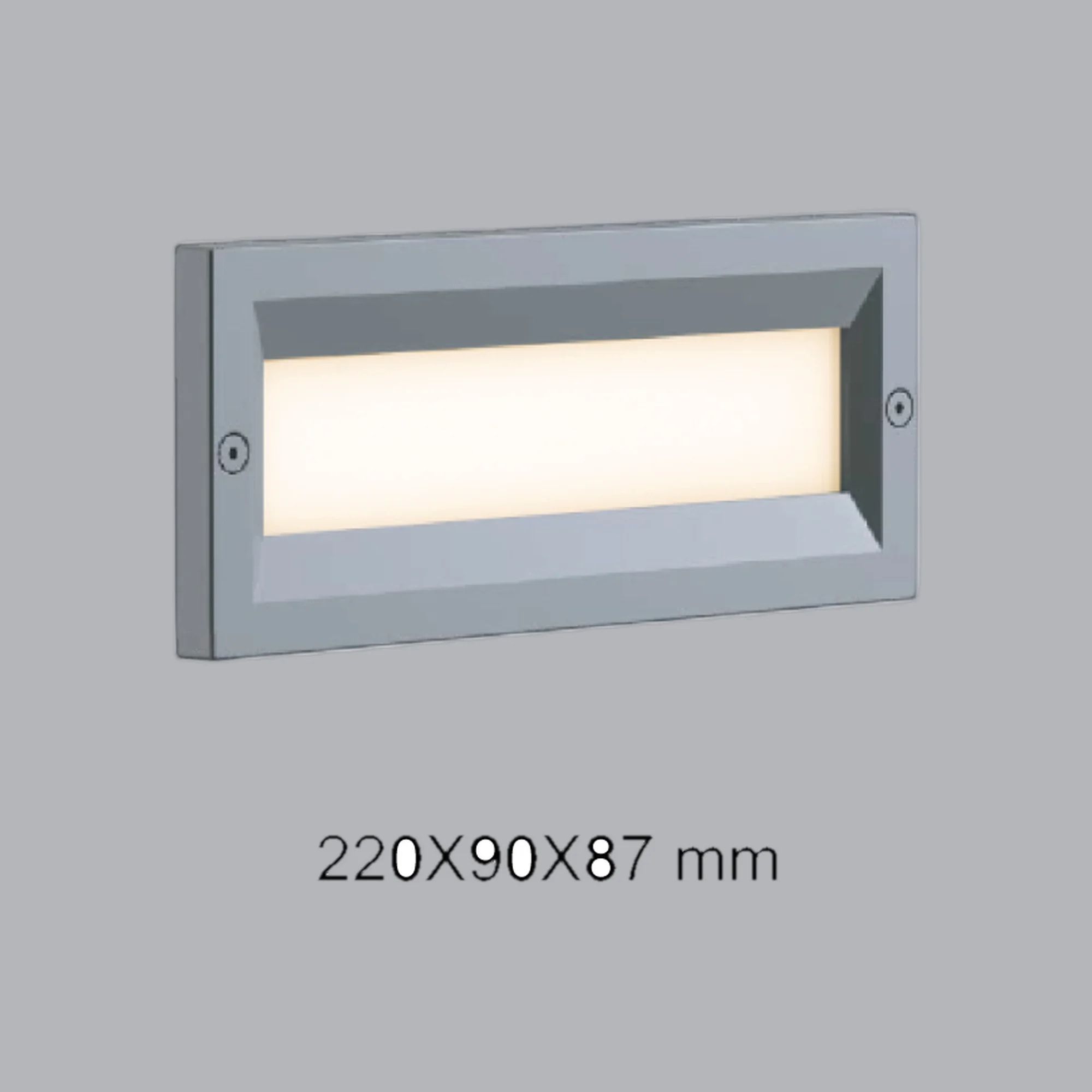
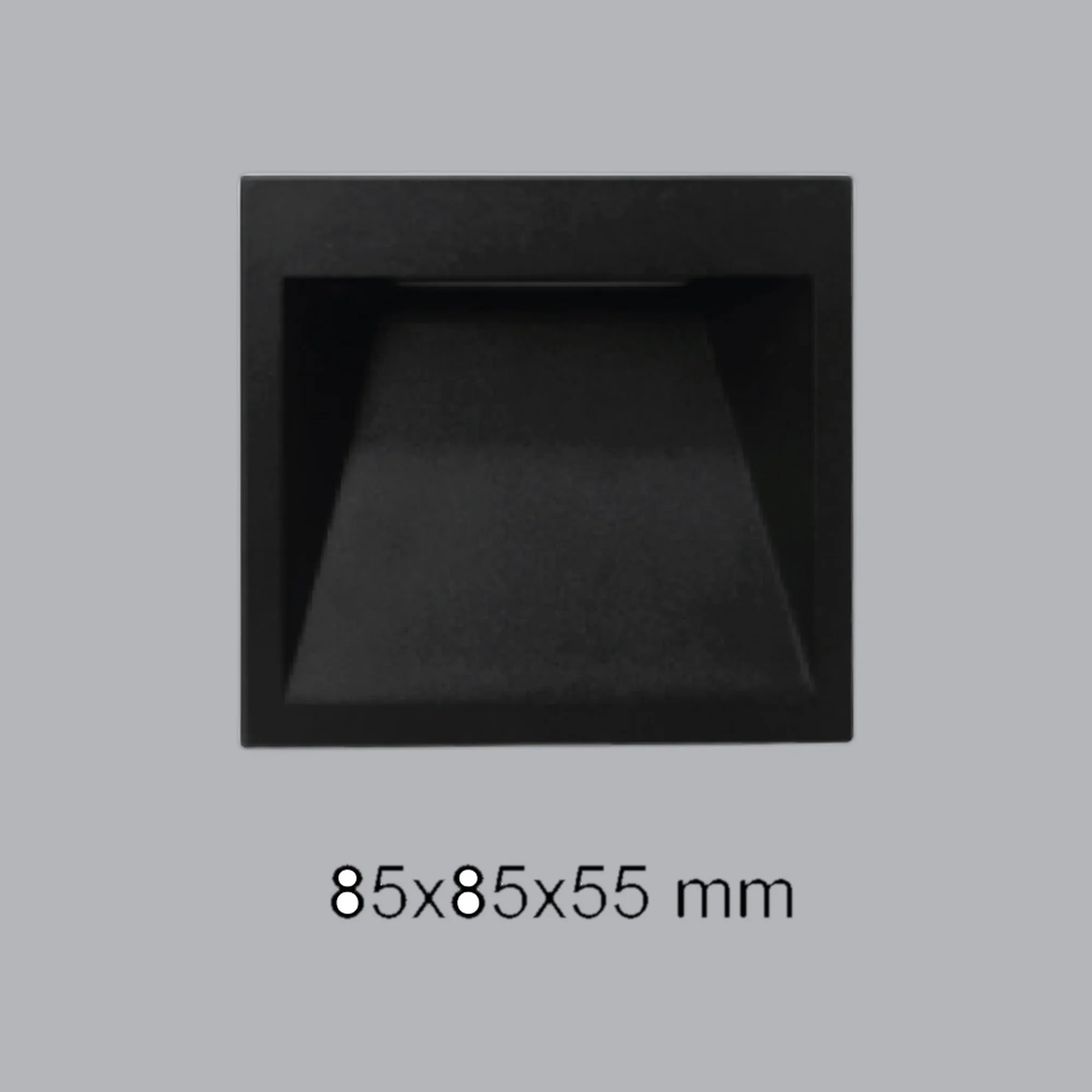
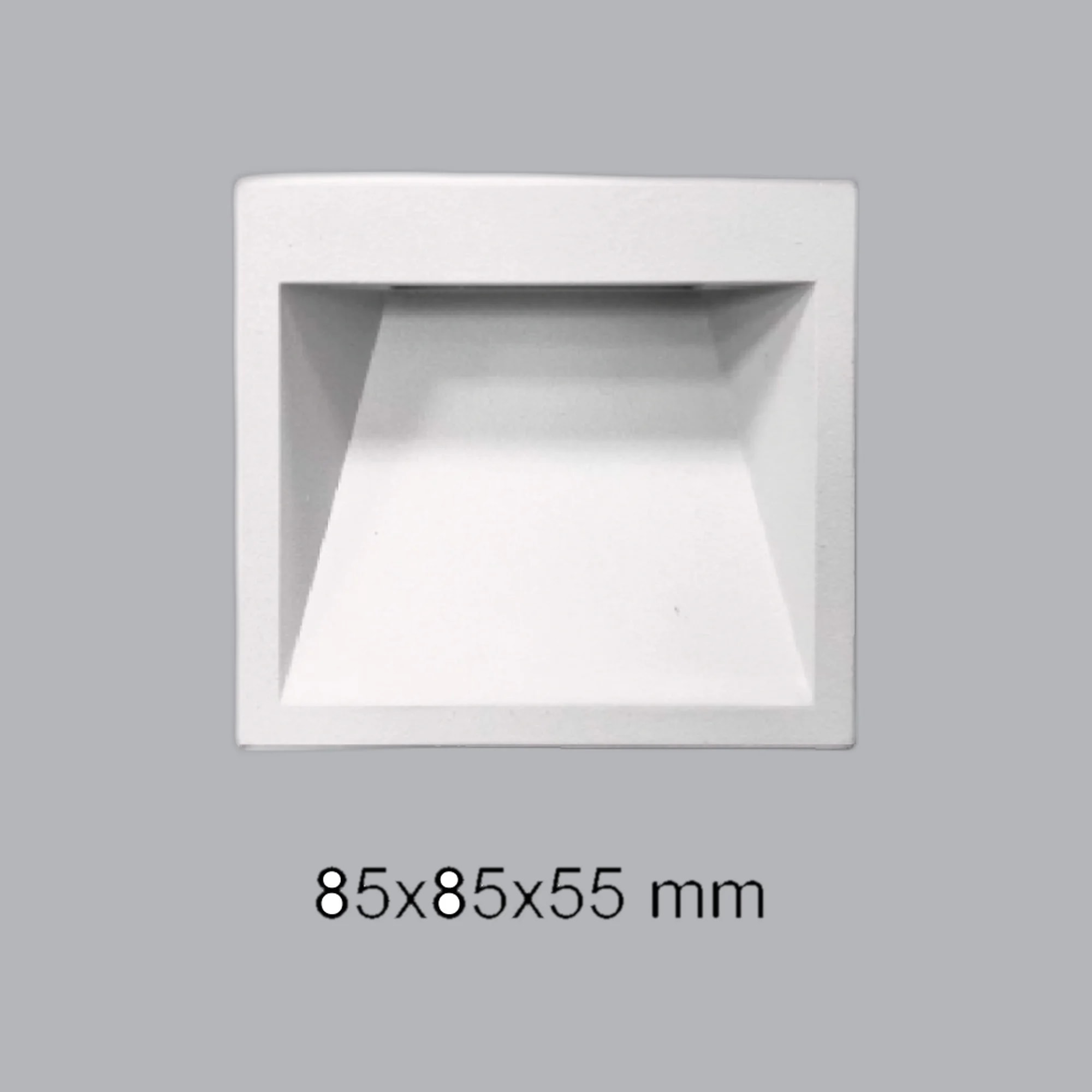
Stair lighting makes the steps visible, keeps you safe going up and down at night and adds an architectural line to the space. Luminaires are usually recessed into the wall above step level and direct the light down onto the step, so they do not dazzle.
- Layout: one luminaire per step or one every two steps; the light only needs to fall on the step surface.
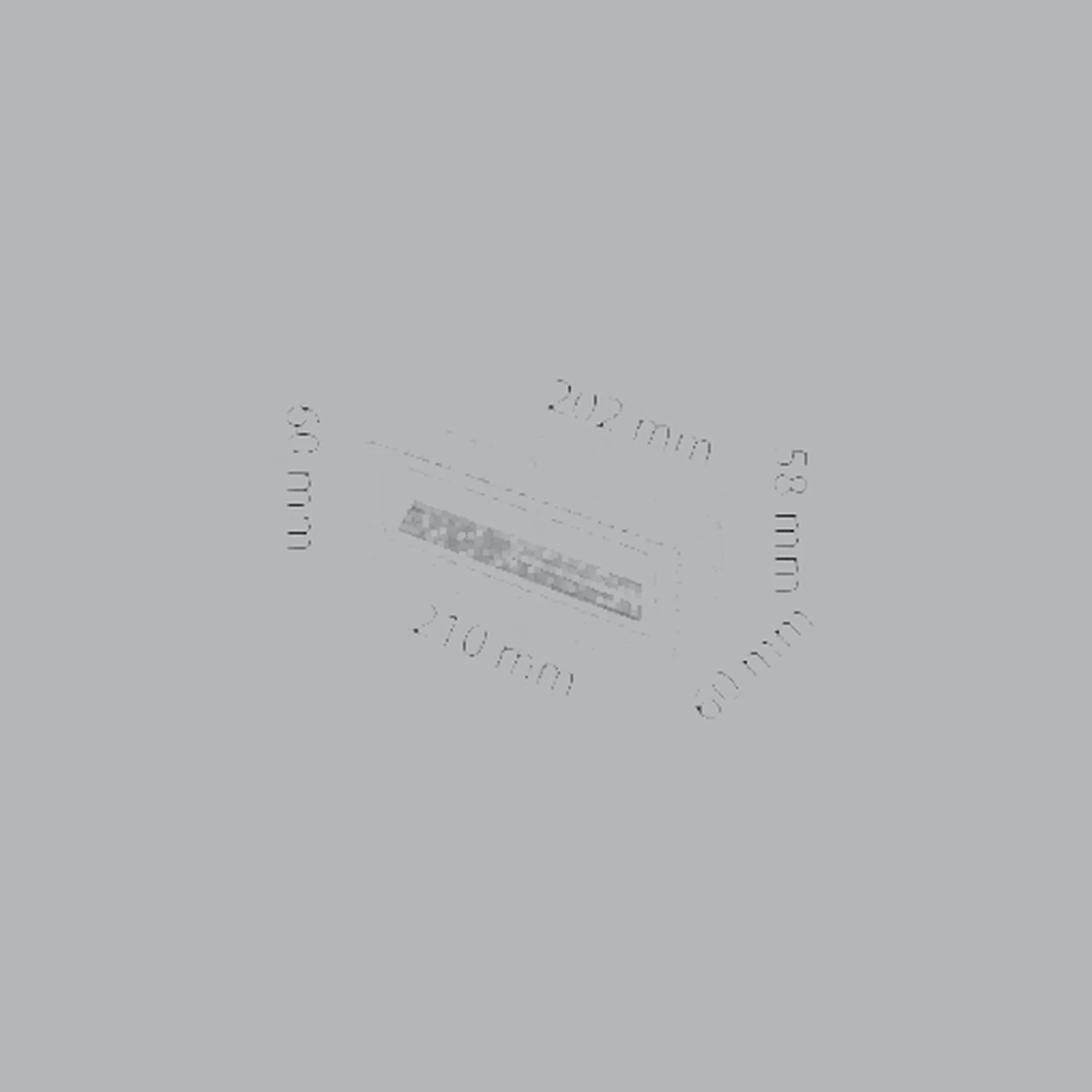
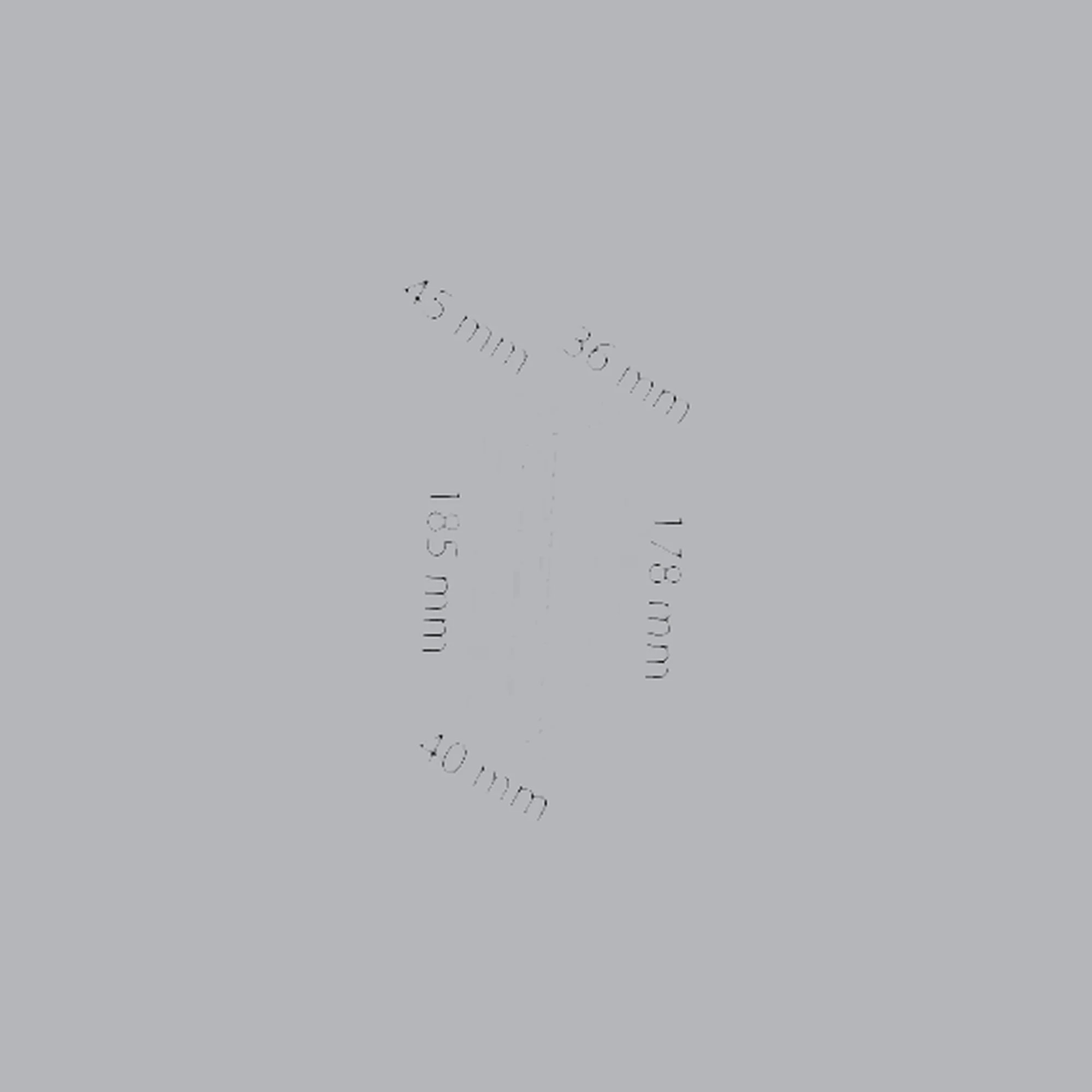
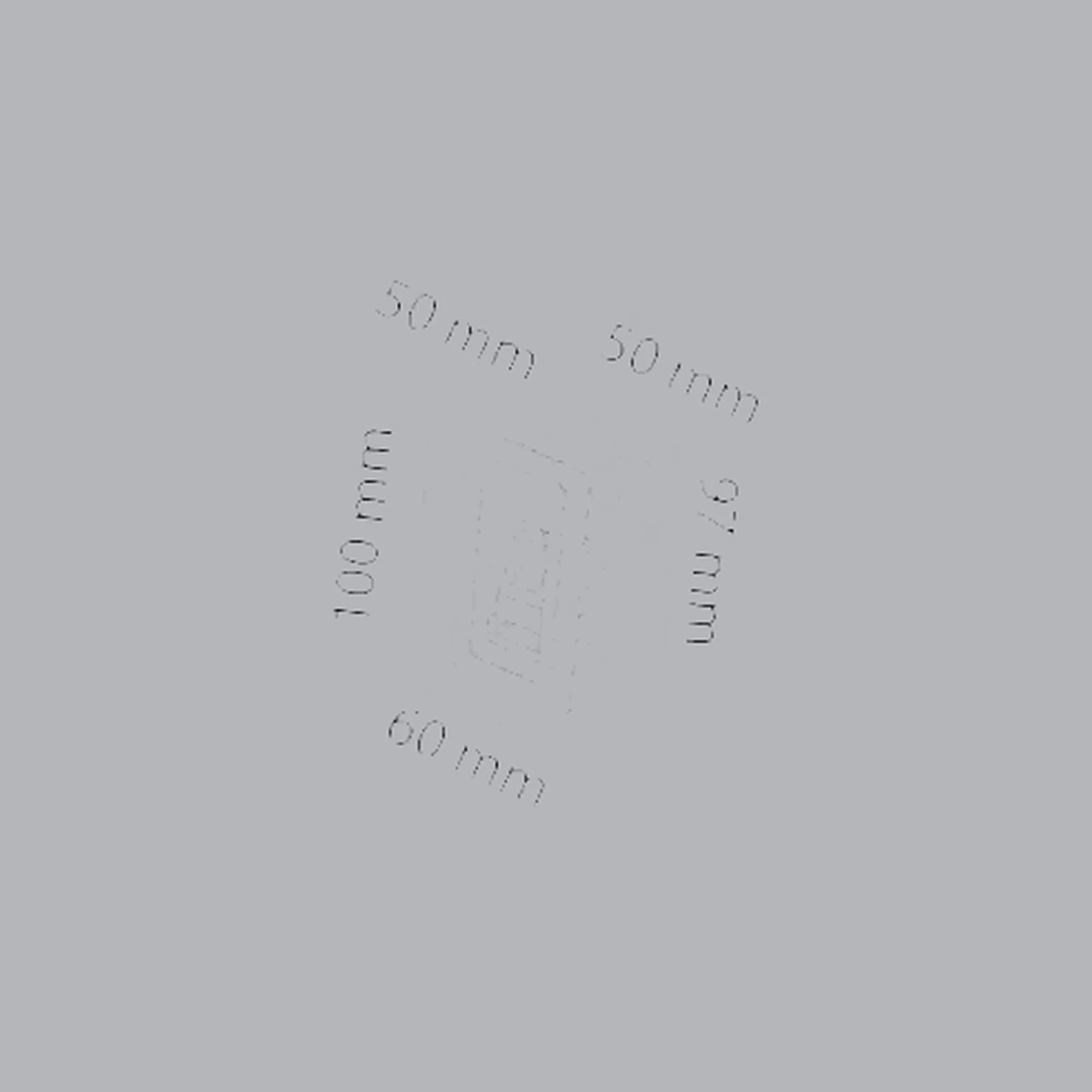
- Mounting: plan the wall box and cable for recessed luminaires during construction; the cut-out size is in the product's technical table.
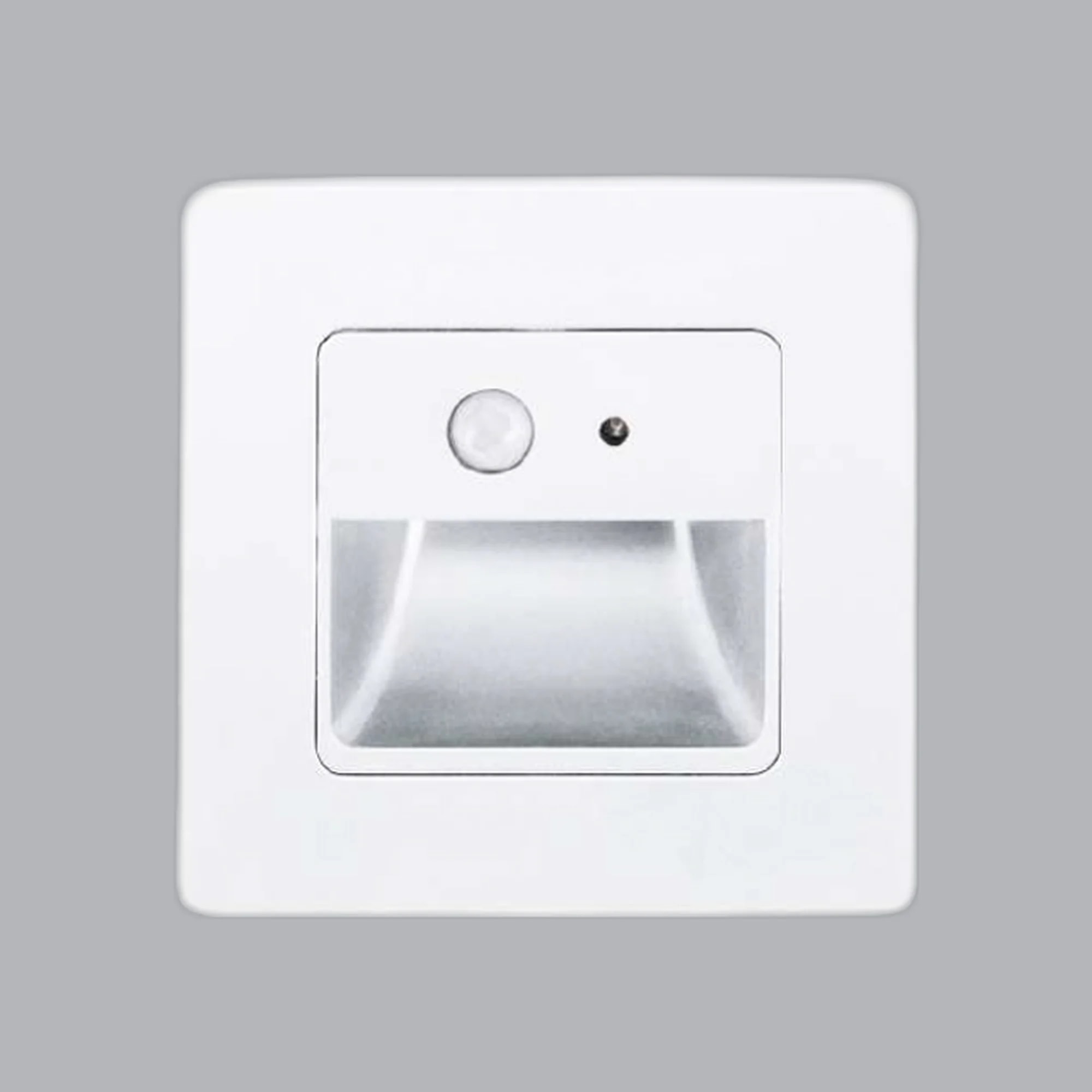
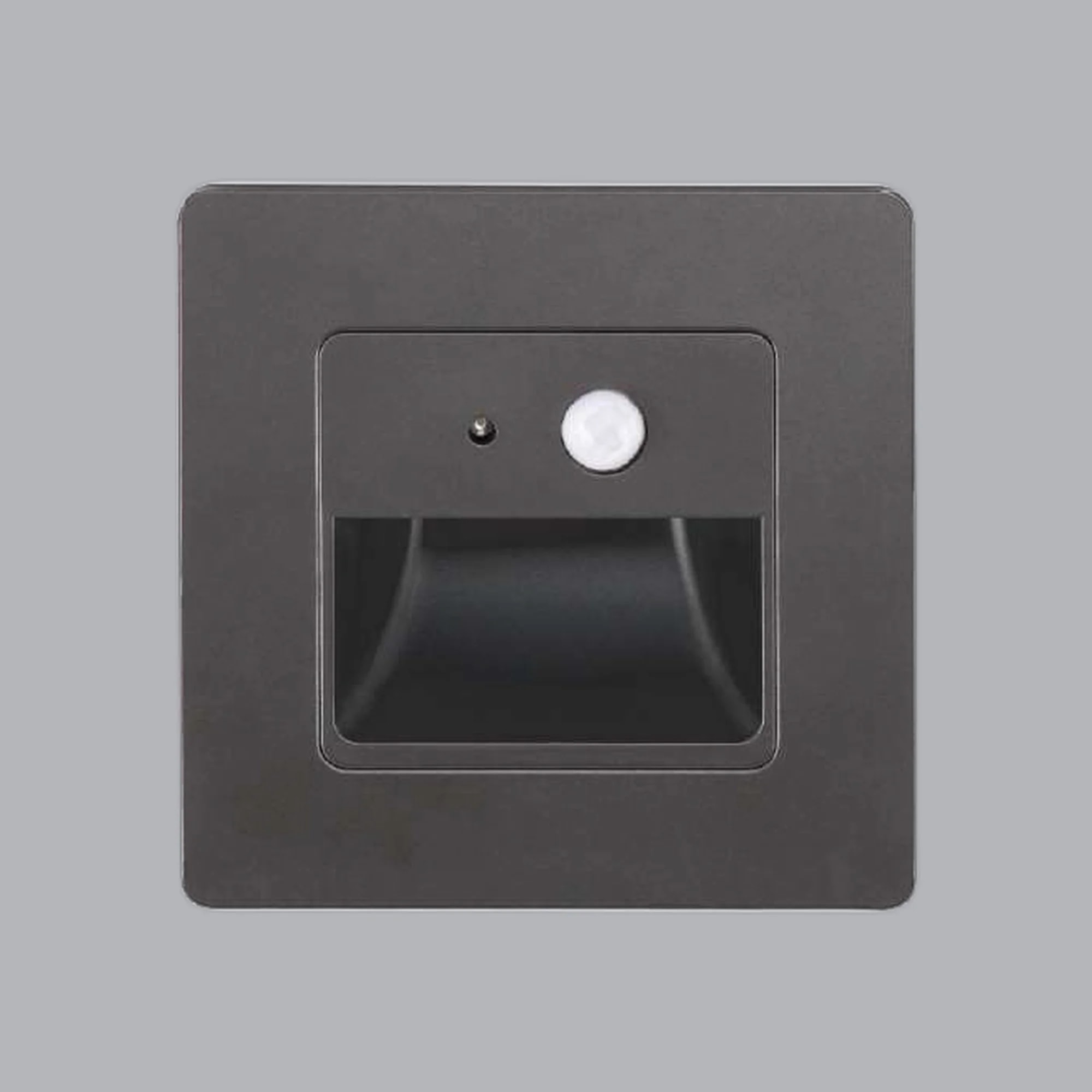
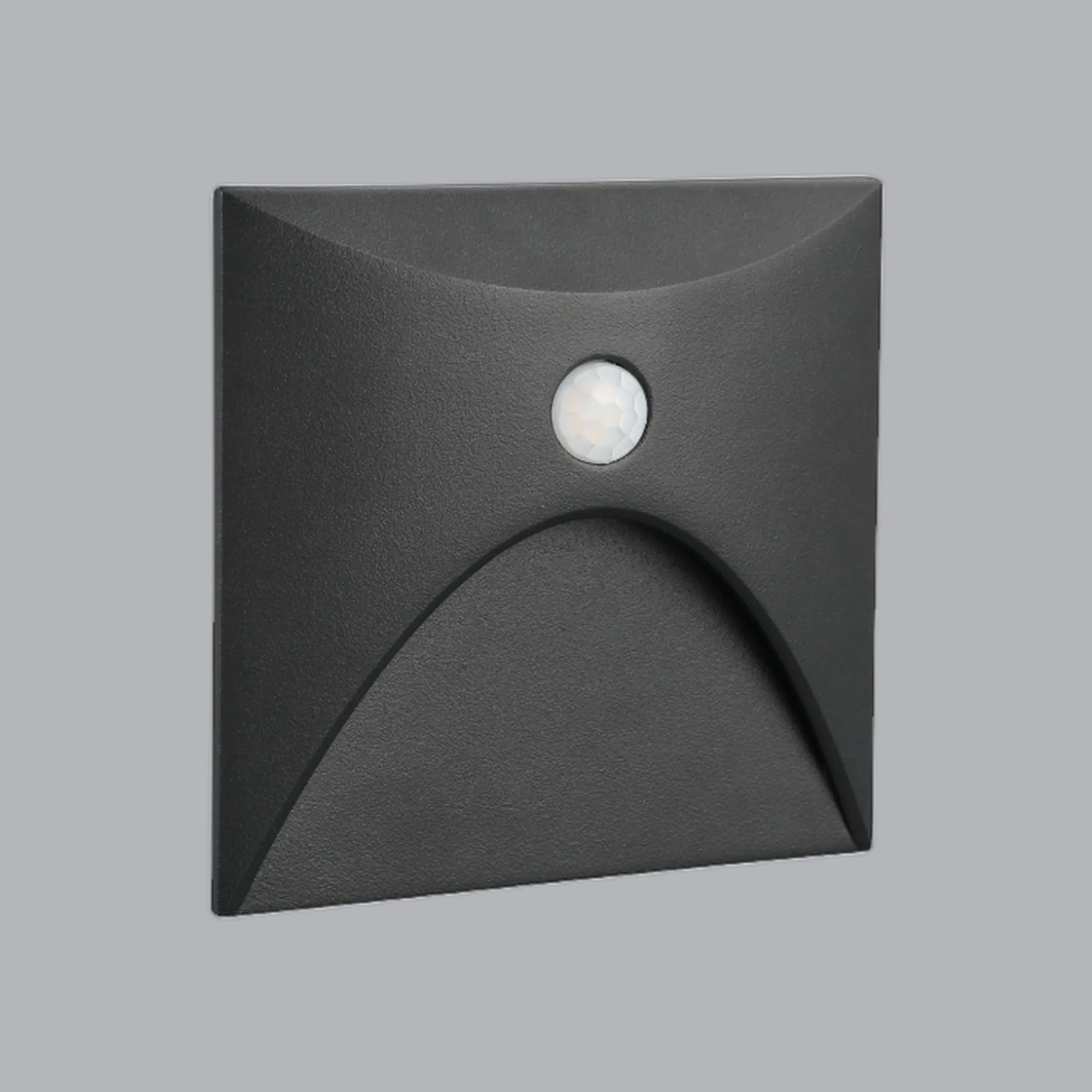
- Sensor: sensor models only switch on when someone passes, avoiding unnecessary use.
- Outdoor stairs: choose at least IP54 where exposed to rain and IP65 where exposed to washing.
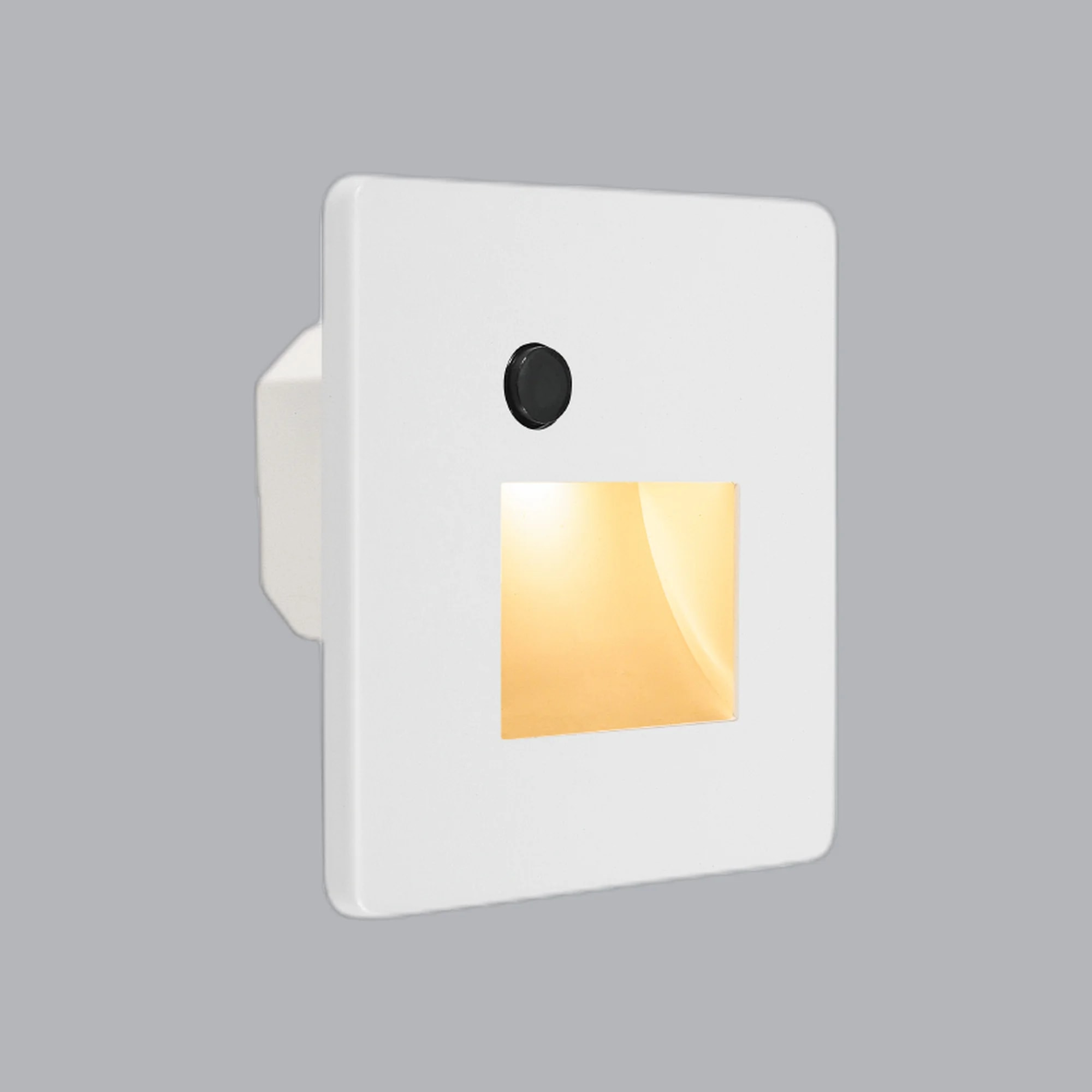
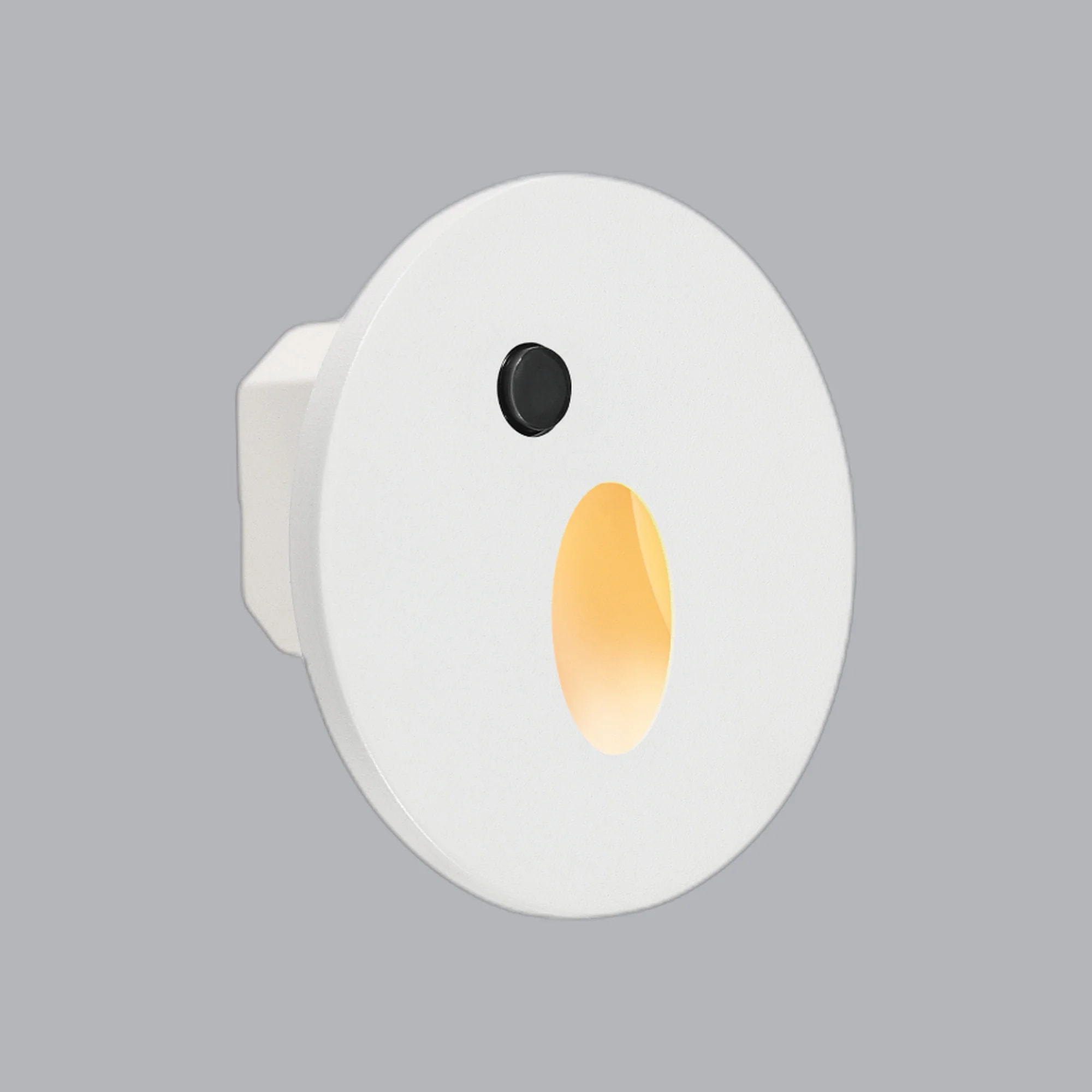
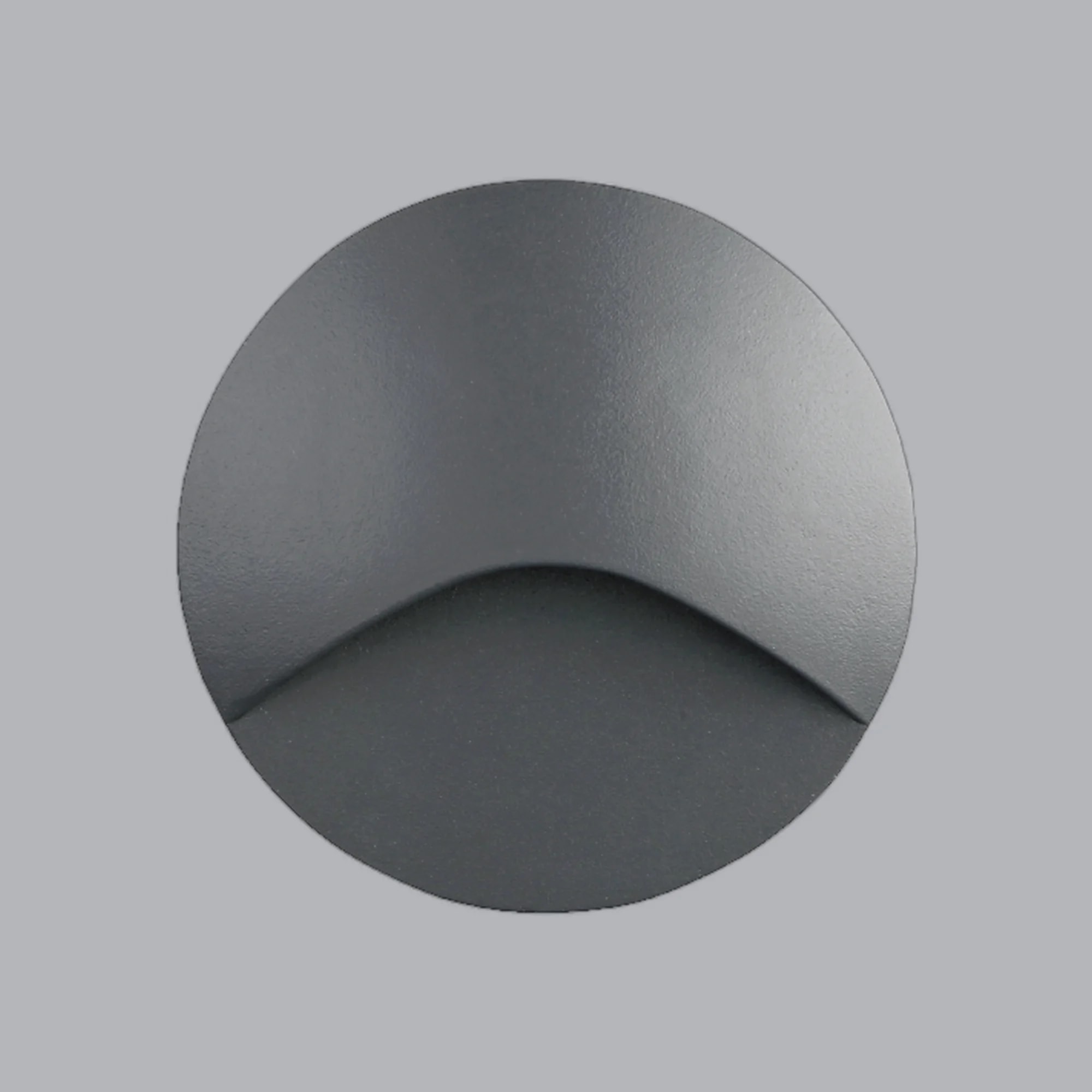
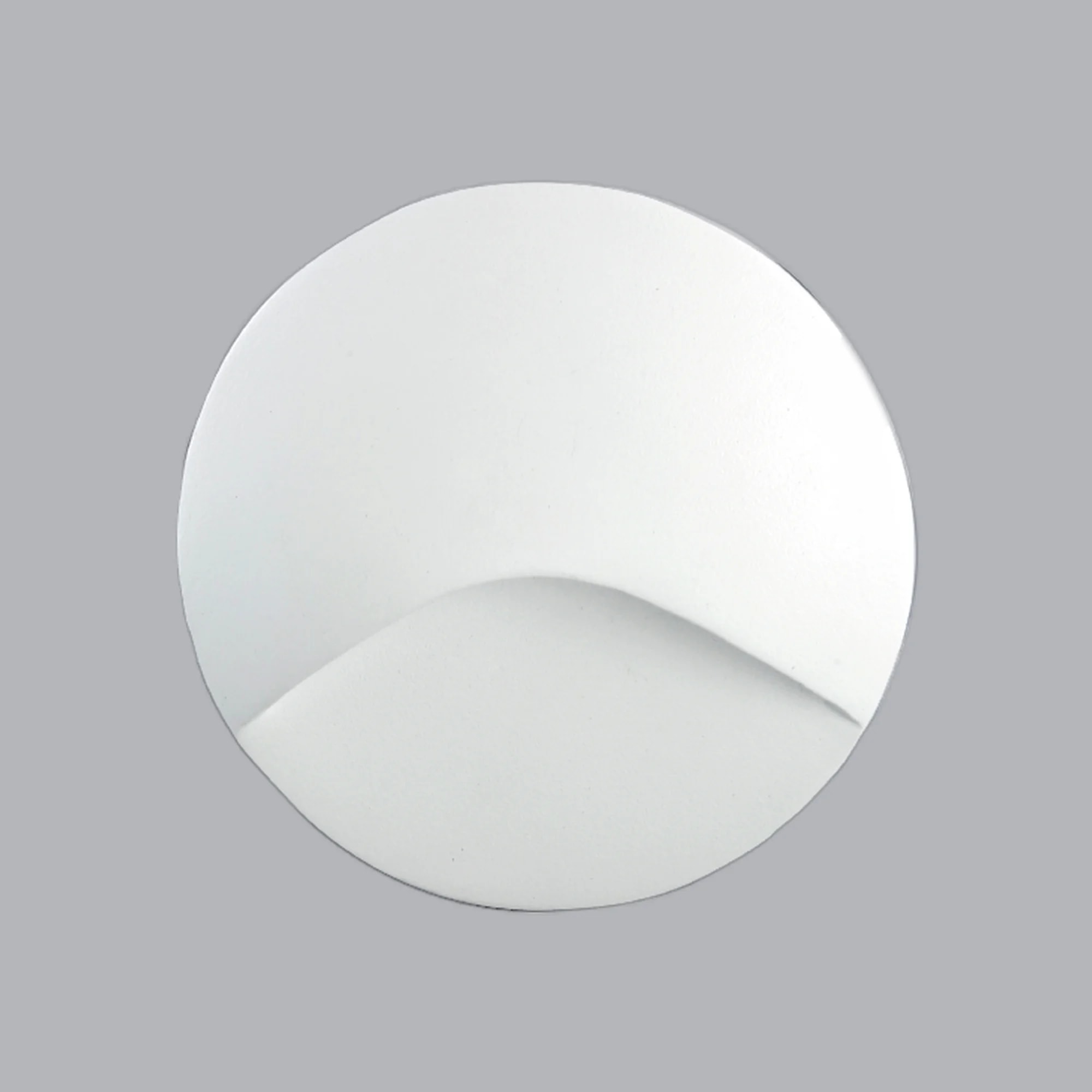
This category includes the Nil, Scala, Step and Vektörel series in square, round, oval and horizontal shapes. Power, colour temperature and protection rating are in each product's technical table.
Molled products in stock ship within 1–3 business days. A model that can be produced can still be bought when out of stock: the product page shows "Made to order" and shipping takes longer by the production time.
- → Guide to motion sensor lighting
- → Wall lights
- → LED strip
- → ENGN, authorised Molled dealer
- → Villa and detached house electrical installation in Bursa
A common approach is recessed into the wall about 25–40 cm above the step surface. The light should fall on the step and not shine directly into the eyes.
The light comes on when the luminaire or a separate sensor detects movement and goes off when the time runs out. The product name states which models have a sensor.
Choose at least IP54 where sheltered from rain and IP65 where exposed to rain and washing. The protection rating is in each product's technical table.
A recessed luminaire needs a cavity and cable in the wall, so construction or renovation is the easiest time. On a finished wall, consider surface-mounted models or LED strip under the steps.